Continuing my series on inspiring people in horticulture, this week, I’m focusing on Nick Hamilton, son of TV gardener Geoff Hamilton.
Barnsdale Gardens in Rutland were originally created by all-round horticulturist and writer Geoff Hamilton. Geoff made a guest appearance on the BBC Gardeners’ World programme in the 1970s and made such an impression on viewers that he was given a regular slot. He joined the team in 1979 and hosted the programme for 17 years.
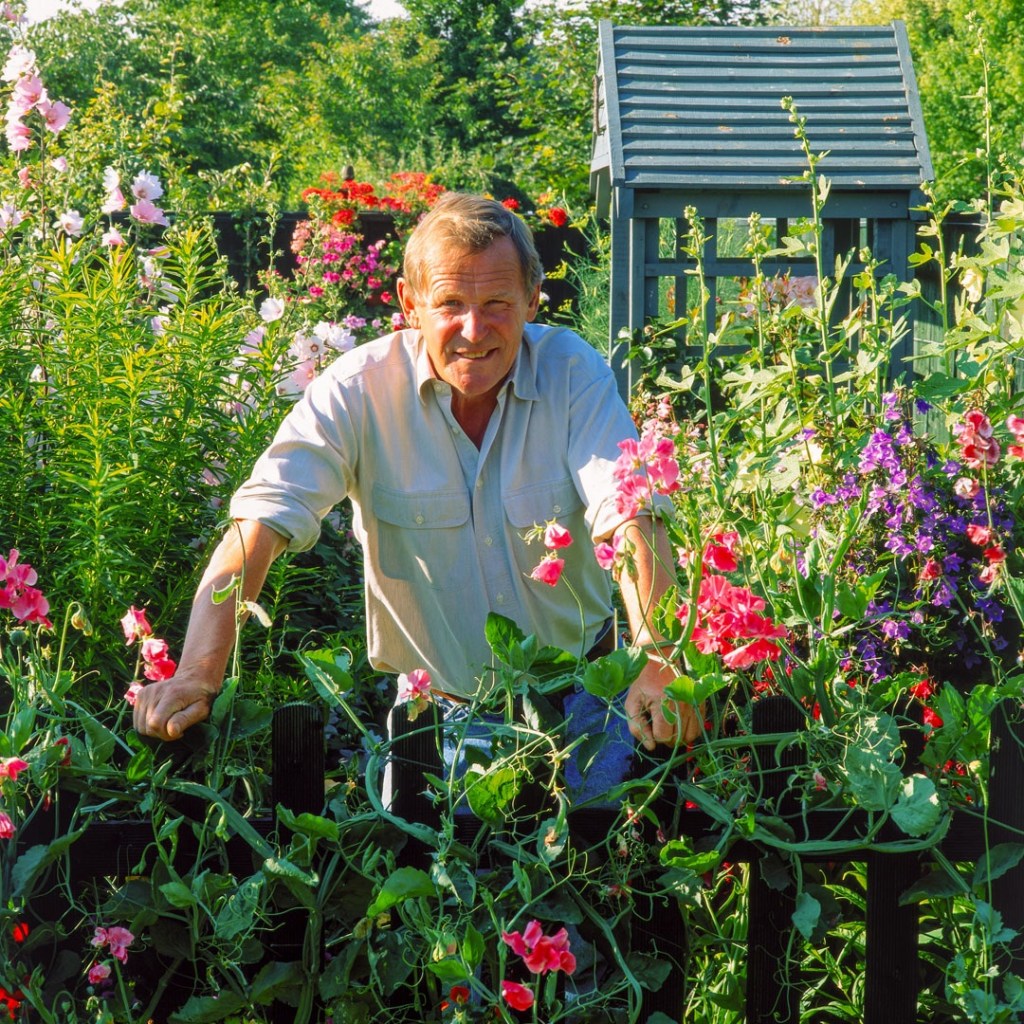
Geoff originally broadcast from a two acre site overlooking Rutland Water, but in 1983 he bought a Victorian farmhouse and five acres of land. He called it Barnsdale and viewers tuned in at 8.30pm every Friday night to see Geoff’s latest gardening projects.
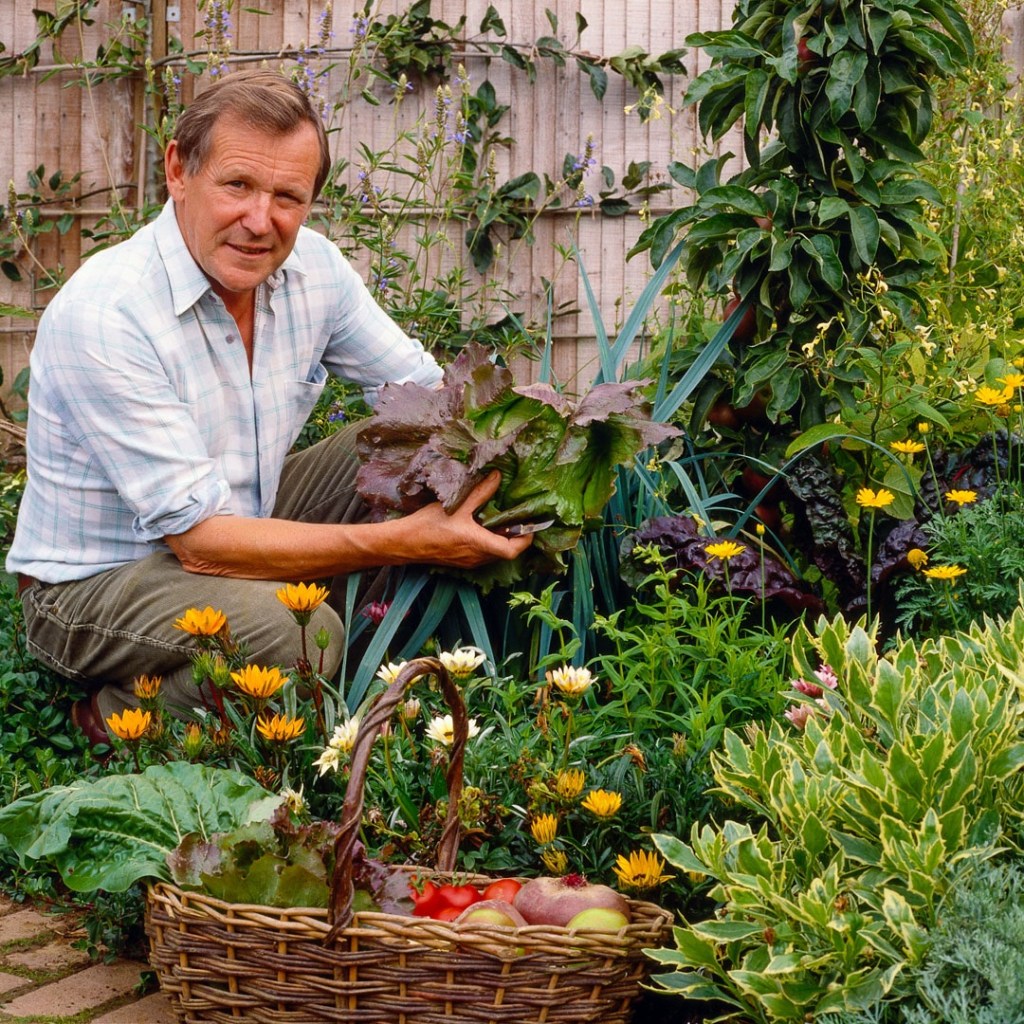
My parents sat and watched the programme as mum was, and still is, a very keen gardener. Dad knew that whatever Geoff was fashioning out of bits of wood and odds and ends, he too would be making something similar that weekend. Whatever mum wanted, dad was able to make it. Geoff made gardening affordable and fun, and dad was only too pleased to be able to make something so mum could enjoy her garden. Garden benches, bird tables, raised beds and multiple fish ponds, one with a waterfall, were all constructed for next to nothing.
It was while filming his Paradise Garden series that Geoff had his first heart attack. That was in June 1995. In August the next year, Geoff suffered a fatal heart attack during a charity cycle ride in Wales.
The question of what would happen to Geoff’s garden fell to his middle son Nick to answer. Nick says, very honestly, that Geoff left the legacy of the garden, but there was never any money to go with that inheritance. And the gardens were not initially in any condition to open to the public. They were always created for the television programme and the cameras would focus in one one area at a time.
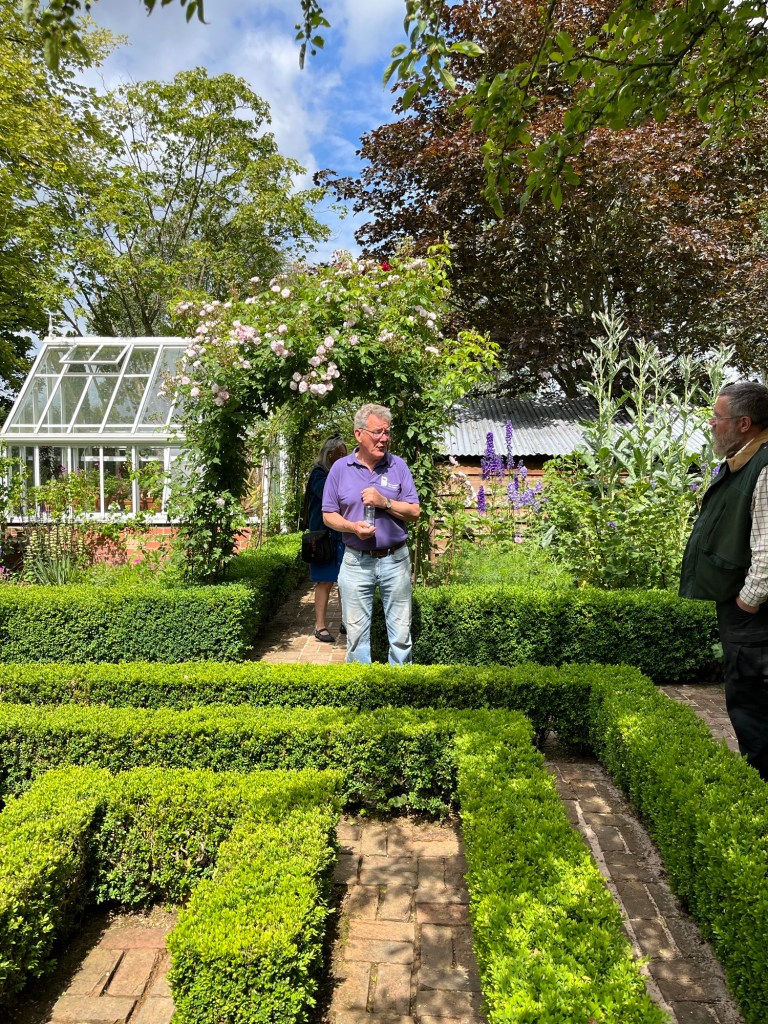
Nick and a small team of gardeners crammed two years worth of work into the next eight months and opened for the first time on 19th April, 1997. Since then, the money generated from visitors has been reinvested in the garden and its facilities to ensure that Geoff’s ethos to educate, inspire and entertain continues.
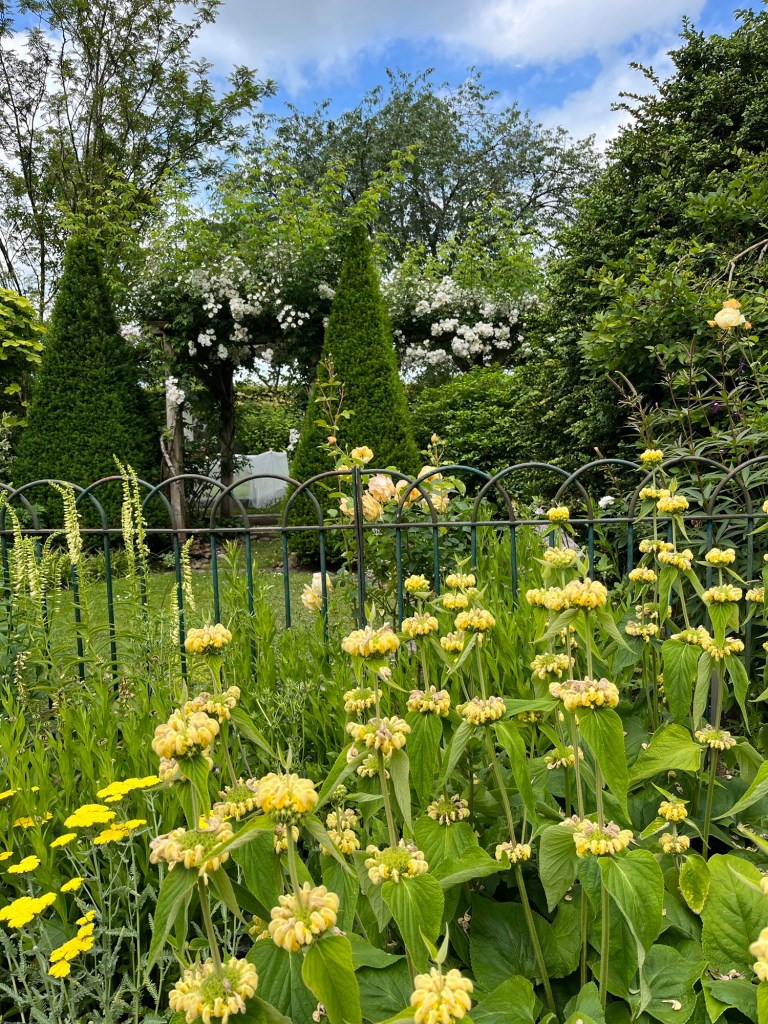
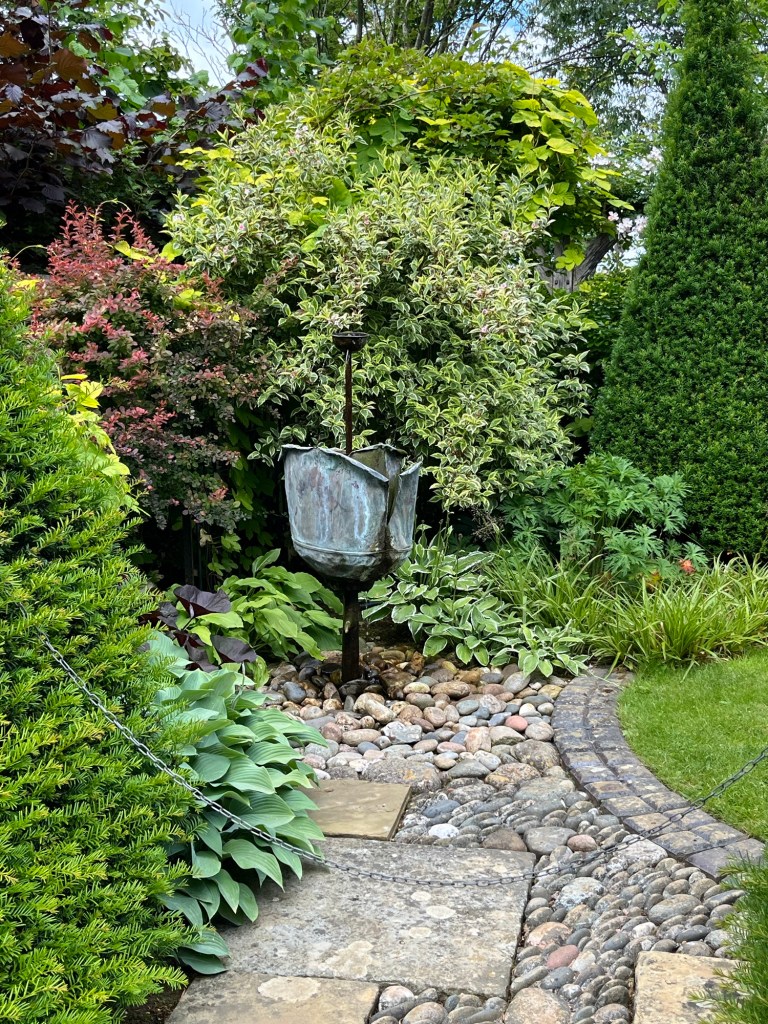
Nick and his team work tirelessly to maintain and improve the 38 individual gardens. Some of the names of the gardens give an idea of the range of plots to view. There’s the Modern Estate Garden, Artisan’s Cottage Garden, Stream and Bog Garden, Wildlife Garden, and Children’s Garden and Allotments. There’s even a garden inspired by Versailles.
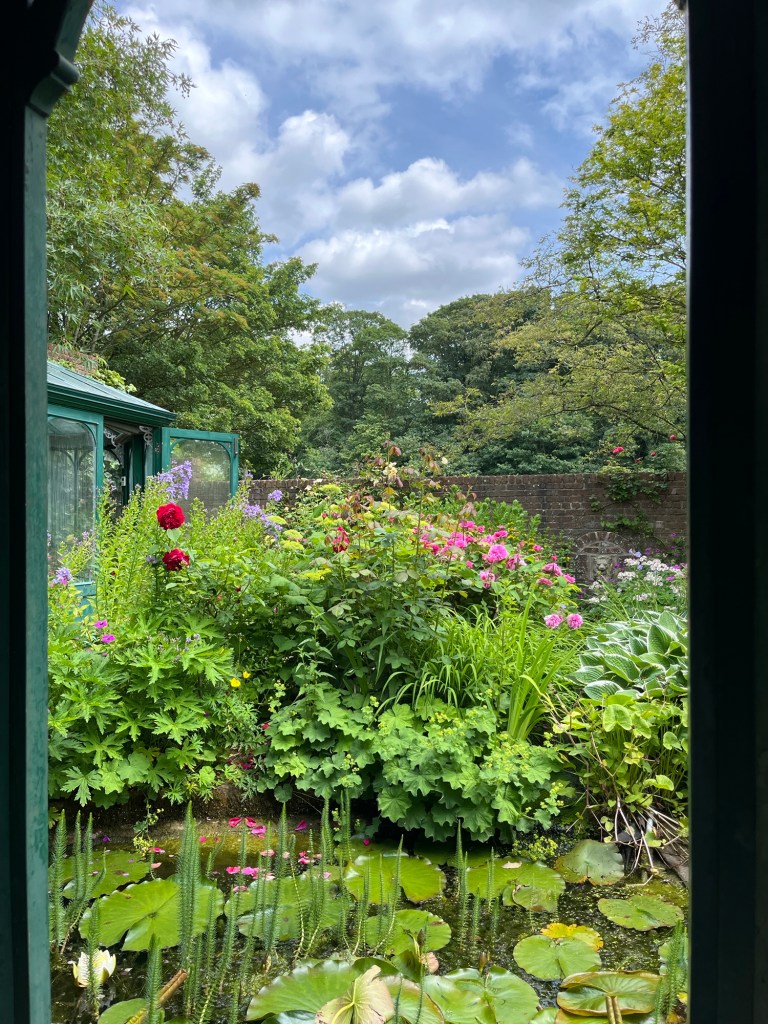
My favourite is the Town Paradise Garden, a walled plot with a conservatory full of pelargoniums, a lion head wall water feature, a rill and beautifully planted lily pond.
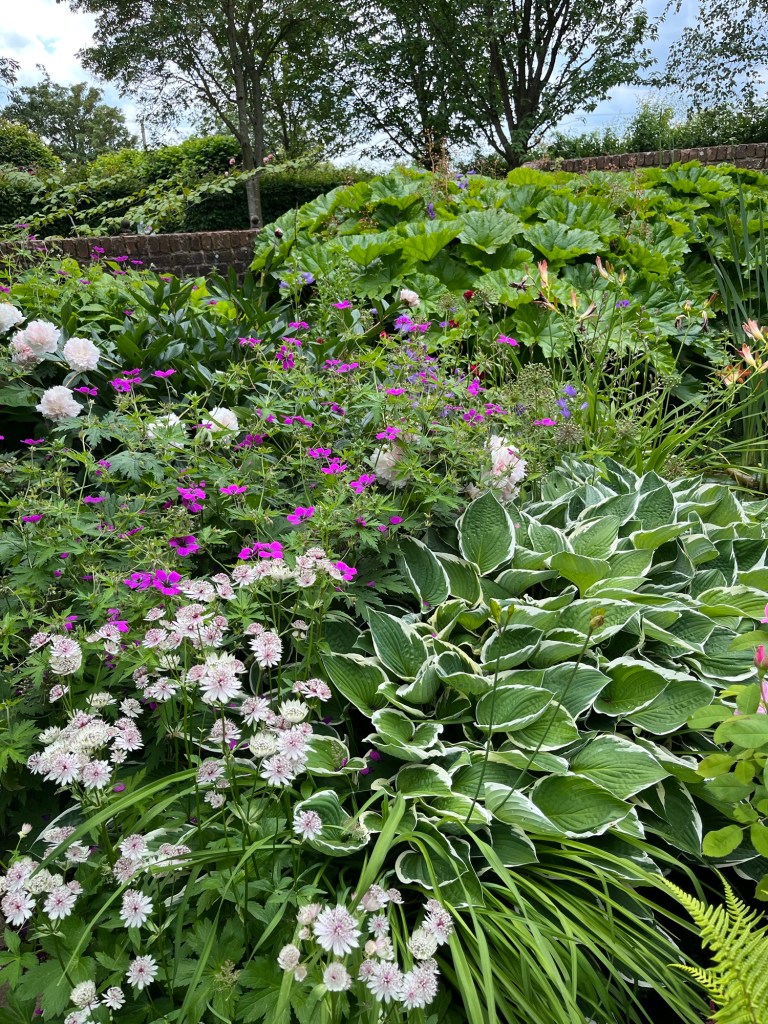
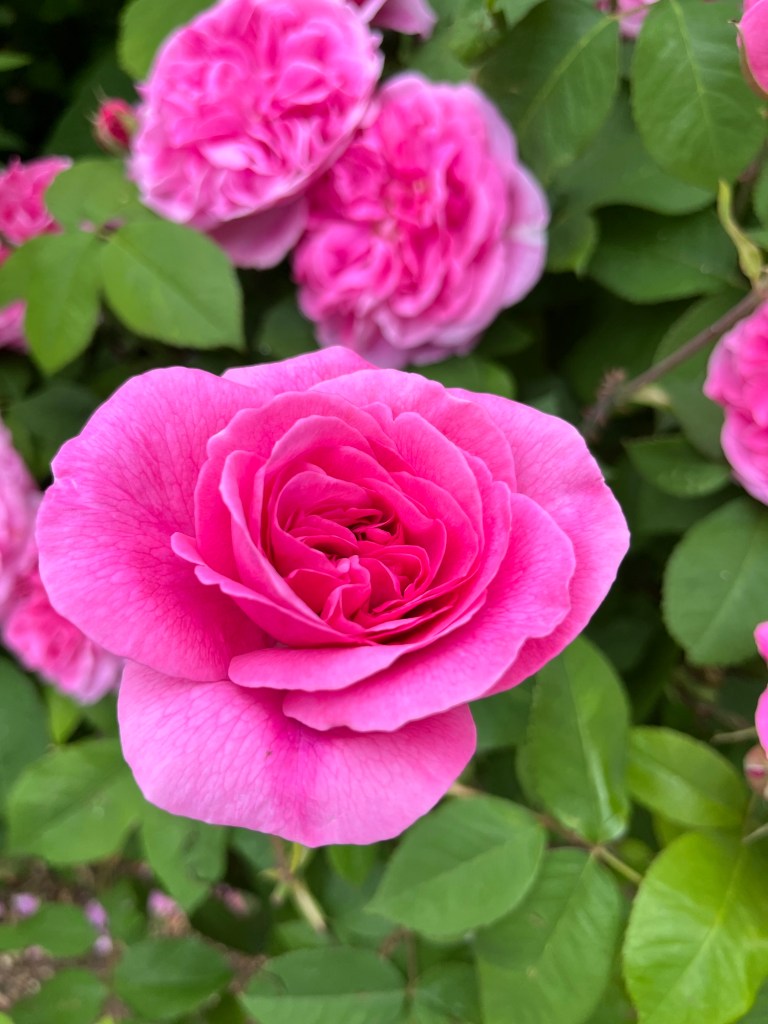
Nick says a garden should not stand still but keep on evolving. There are new gardens and many updated features. Gardening is still undertaken on the organic principles Geoff promoted, and there are a huge range of courses, talks and demonstrations on all aspects of gardening.
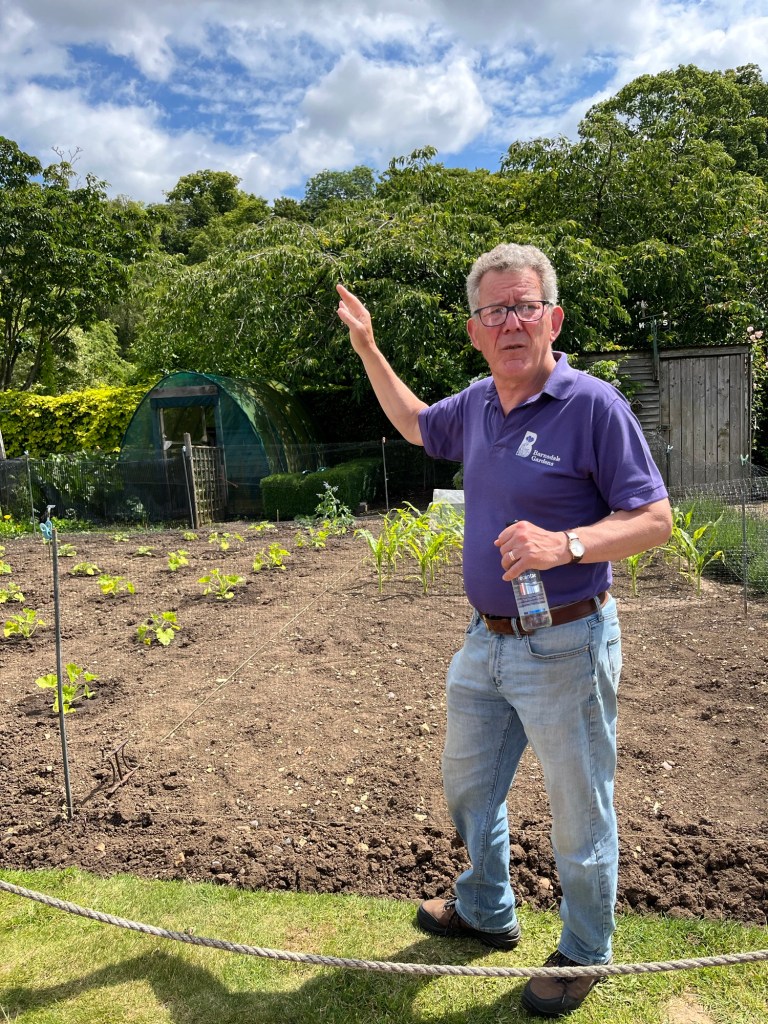
Here are a few highlights this summer.
Fairy Trail -Throughout July & August 9am – 5pm
Children are very much welcome at Barnsdale Gardens. They can hunt for fairy doors, find tiny fairy houses and mischievous ‘fairies’ tucked away around the gardens. Follow the clues, solve the fairy riddles, uncover their secret messages and make a special wish at the wishing tree.
Cottage Gardens – 12th July 12pm – 4pm
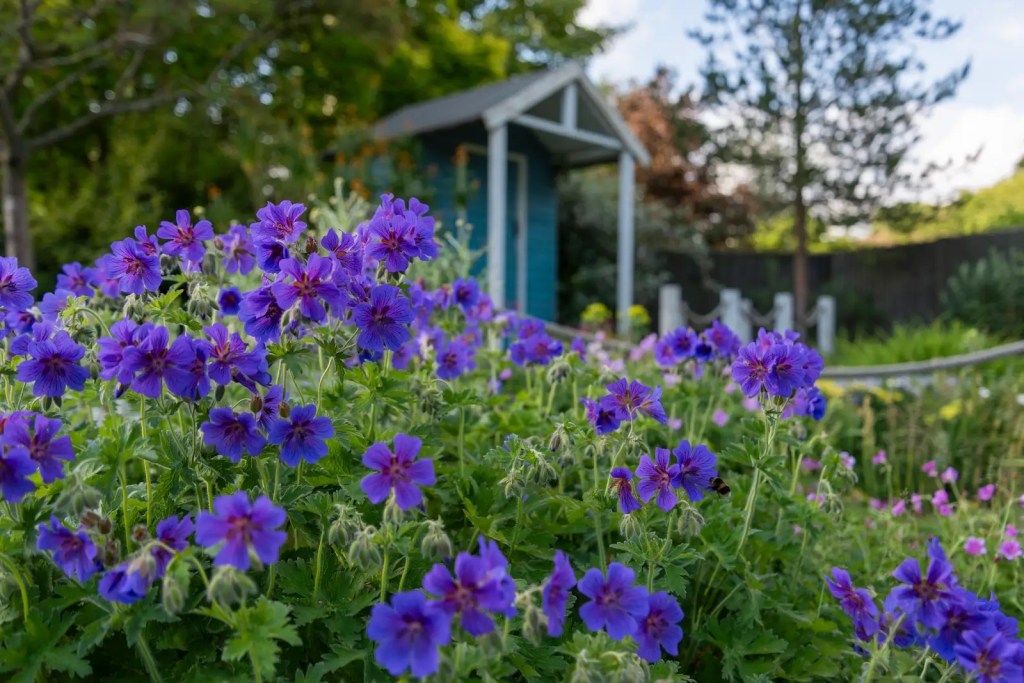
Nick Hamilton, President of the Cottage Garden Society, will give a series of informal garden walks highlighting the history behind Barnsdale’s cottage gardens. You can learn about the must-have plants that bring this much-loved style of gardening to life.
Artists in the Gardens – 12th July 11am – 3pm
Watch talented artists take inspiration from the gardens. Visitors can watch live painting, sketching and other artistic techniques while exploring Barnsdale’s gardens.
Live Music – 26th July 12pm – 4pm
Award-winning duo Annie Duggan and Rob Hines provide music in the garden with a mix of Americana, Jazz, Blues and Roots – the perfect soundtrack for a summer’s day in the garden.
Nursery Walk & Talk: ‘Top Plants for Our Changing Climate’ – 31st July 11:30am – 11:50am
Join Barnsdale’s Emma for a 20-minute walk and talk exploring plants that thrive in drier conditions and changing weather. Visitors attending the session will also receive exclusive plant discounts on the day.
Barnsdale’s Question Forum – 19th July 11:30am & 2:30pm
Following the success of last year’s event, Barnsdale’s Question Forum returns, bringing together a panel of gardening experts, including Nick Hamilton, vegetable expert Susie Watson, and Head Gardener Jon Brocklebank.
Visitors are invited to bring along their gardening queries and enjoy an entertaining and informative question-and-answer session packed with expert advice, handy tips and plenty of inspiration.
- Read more at the website https://barnsdalegardens.co.uk/index.html
- Barnsdale Gardens is open every day, 9am – 5pm. No need to book your visit in advance. Closed only on Christmas and Boxing Day.
- Nick Hamilton’s new book ‘The Right Jeans’ : https://shop.barnsdalegardens.co.uk/products/the-right-jeans-by-nick-hamilton
- Address: Barnsdale Gardens, The Avenue, Exton, Oakham, Rutland LE15 8AH