Borde Hill Garden

Rhododendrons, azaleas, woodland, sculpture, rare and unusual trees and plants.

We stand still and listen. “There’s a great tit…a chaffinch…a goldfinch…a robin.” I’m writing the names in my notebook, but the list is recounted faster than I can record them.

We are on a tour of Borde Hill Garden. And, what luck, one of our party is an expert on birdsong. The chorus of sound drifts through the trees. Such a beautiful melody, and a wonderful place to be. An English woodland garden on a spring day. Just glorious.

I spot a tree creeper. To my shame, it’s the first time I’ve seen one. A tiny bird, the size of a wren. My first thoughts are that it’s a mouse. Its speckly brown feathers perfectly match the tree bark it’s clinging to. It scurries up a few metres, and then uses its long downward-curving bill to fish out an insect from a crevice. Suddenly it moves to the other side of the trunk. It knows it’s been spotted. Then, making a “see-see-see” call, it flies away. A magical moment- and we’ve only just arrived in this woodland paradise.
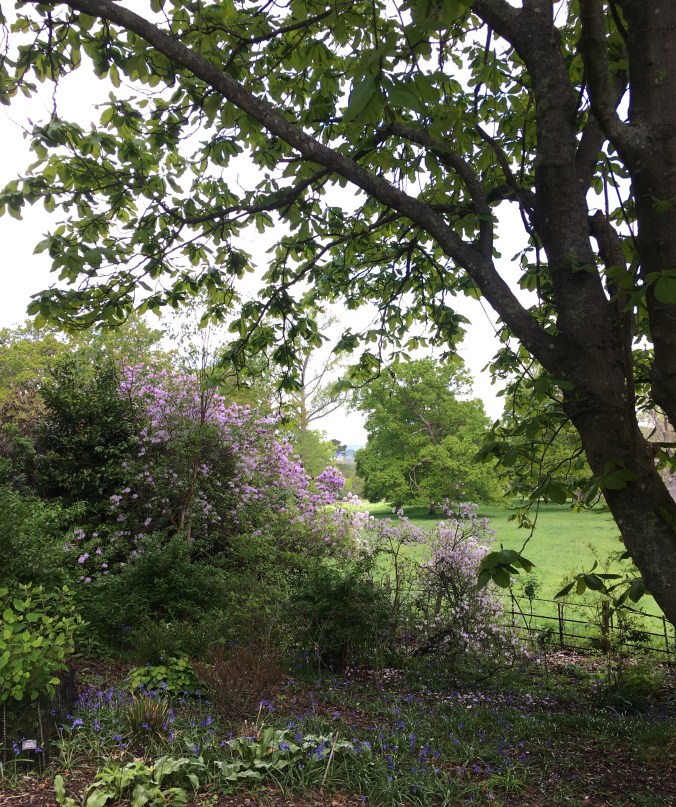
We start our tour in the Garden of Allah, a dell created in 1925 where the the owners nurtured many of the species brought back from the great plant hunters of the time. Head gardener Andy Stevens points to a towering Liriodendron chinense (Chinese tulip tree) which was raised from seed collected by Ernest Wilson in central China. Borde Hill bought the tree as a 16ft mature specimen from the famous Veitch’s nursery in 1913. There’s a huge Magnolia fraseri which arrived in the garden as a seedling from the south-eastern USA in 1933. And further into the garden there’s a Davidia involucrata (pocket handkerchief tree).

I can’t decide whether to look up, or down. Up, into the branches of so many rare and unusual trees. Or down, at the ribbons of pure white wild garlic flowing into drifts of bluebells. It’s easy to see why Borde Hill has been described as “unforgettable.”

Leaving the dell, walking past rhododendrons and camellias planted in the 1920s, and magnolias planted as seedlings in the 1930s, we reach Warren Wood and Stephanie’s Glade. It’s here that many of Borde Hill’s fabulous collection of champion trees can be found.

There are many trees I have never seen before. We stop and admire a rare Meliosma Beaniana which is smothered in delicate creamy coloured flowers. Like many of the trees and shrubs at Borde Hill, there’s a fascinating history and story behind them. This tree came via Ernest Wilson who was plant hunting in China in 1908. It was planted at Alderman (now a boarding school) and transplanted at Borde Hill in early 1930s. Records show it flowered for the first time in its new home in 1933.

I found a particularly lovely tree, possibly a type of photinia. It is smothered in white flowers. A magnet for bees and hoverflies.
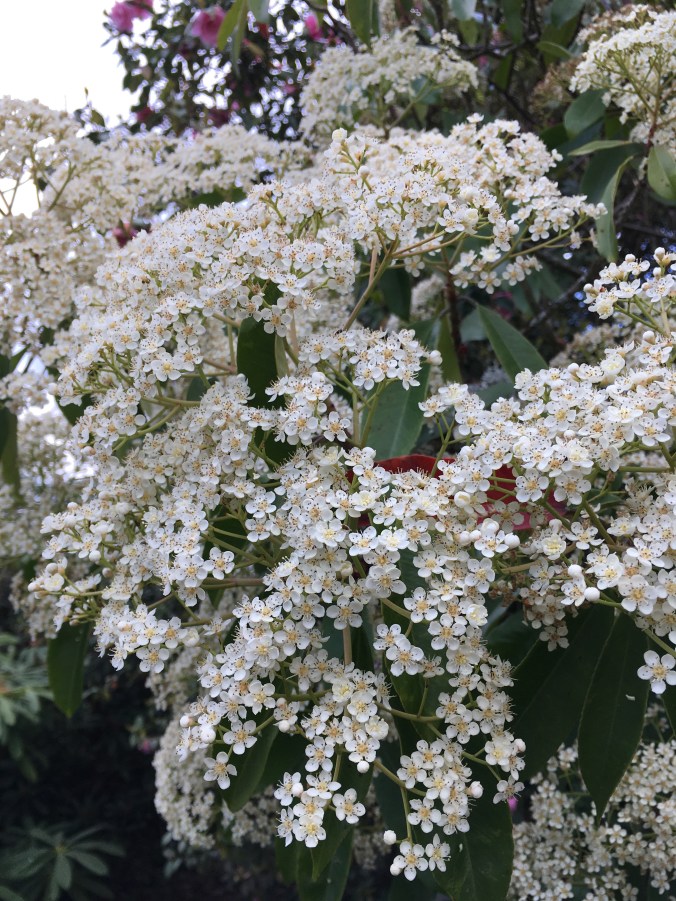
Borde Hill is famous for rhododendrons and azaleas which are reaching their peak now. I’ve never seen such a striking and colourful display.

Some of the azaleas are scented which adds to their attraction.

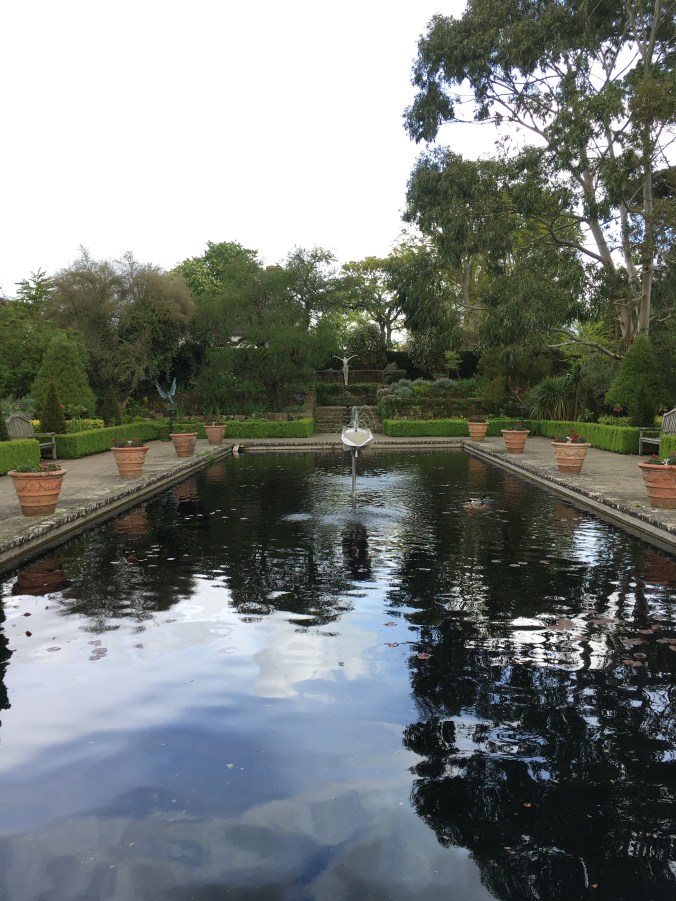
Walking out of the woodlands, suddenly you come upon a more formal scene, an Italian garden with topiary flanking a rectangular pond. There’s a statue and waterfall at one end, and large terracotta plant pots each side of the water.
There’s always a surprise around every corner. At the top of the steps, near the sculpture, I found this Peony Mai Fleurie.
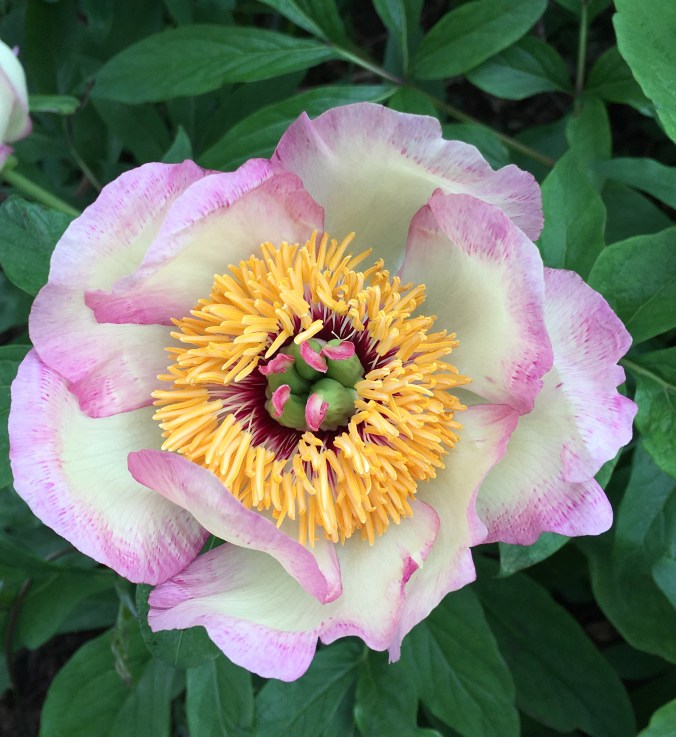
Further along the walk, I found more peonies, looking at their best right now.

Tree peonies and perennial forms seem to do very well at Borde Hill and I make a note to plant more in my own garden.

This week sees the start of Borde Hill’s 20th anniversary Sculpture Exhibition (10 May to 30 Sept). Visitors can walk through the 17 acre gardens and enjoy more than 80 pieces by well-known and up-and-coming artists.

I love this one, which I think is Little Owl by Paul Harvey. The labels were being put out on the day of our visit.
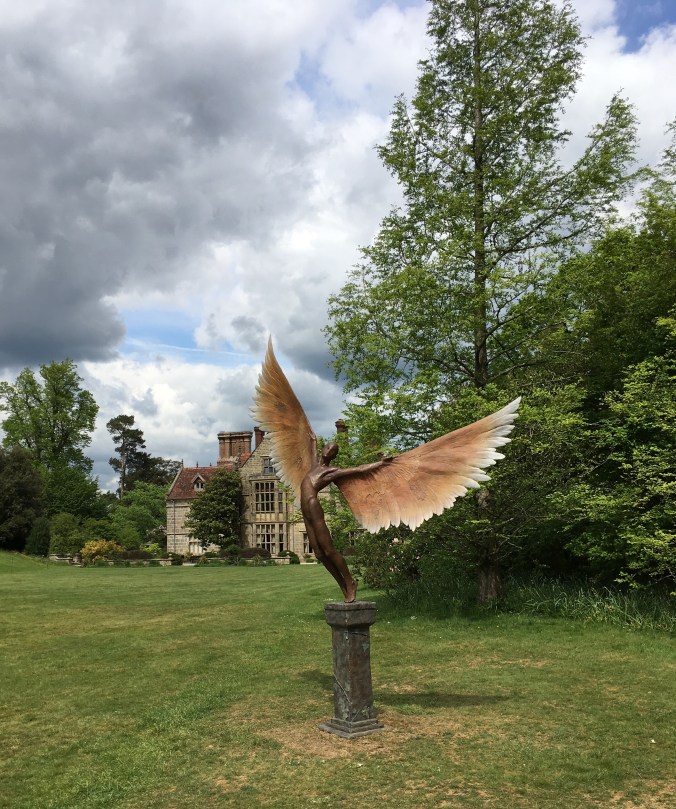
And this one, which I’m guessing is Icarus by Nicola Godden. Such a perfect setting in front of the house. Checking the website, I see this winged figure was commissioned for the London 2012 Olympic Village. There’s also a wind sculpture by Will Carr to look out for.

There’s something for everyone at Borde Hill, and all-year-round interest too. But for me, the magic of the place will always be the peaceful walks through those magnificent trees. And the sound of birdsong. The very essence of spring.

Borde Hill: Haywards Heath, West Sussex, RH16 1XP, opens from 25 March -3 Nov.

The garden, listed Grade II by English Heritage, is set within 200 acres of parkland.

Special events this year:

Roses. Talk and tour with Michael Marriott from David Austin Roses: 20 June 10.30-2pm

The Rabbit’s Eye View- long term plant performance, landscape masterclass by Noel Kingsbury, 11 Sept 10-4.30.

Practical Pruning – Juliet Sargeant 16 May 10.30-3pm

Designing a Romantic Rose Border – Juliet Sargeant, 11 July 10.30-3pm

Tasty Autumn Talk- Juliet Sargeant, 18 Oct 10.30-12noon.

Many thanks to Eleni and Andrewjohn Stephenson Clarke for hosting our visit, and to Constance Craig Smith and the Garden Media Guild for organising the tour.

Links :

For more information about Borde Hill : https://www.bordehill.co.uk/

More on birdsong : https://www.woodlandtrust.org.uk/blog/2019/04/identify-bird-song/

RSPB Let Nature Sing: https://www.rspb.org.uk/get-involved/campaigning/let-nature-sing/

Last Minute Christmas Presents for Gardeners

Here’s my last minute recommendations. I would love to receive any of these. They all last longer than Christmas Day. Prices vary, depending on special offers and discounts.

1. Vouchers for a course at Common Farm Flowers.

https://www.commonfarmflowers.com/workshops.html .

I joined the Grow Your Own Cut Flower Patch course a few years ago, and I’m self-sufficient in flowers for my friends and family. There was enough information to grow plants commercially, if I had wanted to. I’m delighted to be able to wander about my garden at any time of the year and create beautiful hand tied bouquets and pretty jam jar posies. There’s something special about home-grown flowers. It’s all a matter of planning and knowing what varieties to grow. Georgie is an excellent teacher. After attending one of her courses, you feel as if you can conquer the world. It’s a rather wonderful feeling!

Courses on offer range from £15 for a garden tour to £290 for a painting course.

Courses: Flower Farming, encouraging wildlife, social media for small businesses, starting a kitchen table business, grow your own wedding flowers, hand tied bouquets.

2. RHS Membership. From £61.

Develop your gardening skills with an RHS membership package. Membership includes unlimited entry to RHS gardens, discounts for show tickets, personalised advice, and entry to 200 partner gardens. The RHS magazine,The Garden, is worth the membership price alone. It is packed full of inspiring ideas and information. Written by experts we all trust. I always look forward to my copy, and it keeps me up to date with new plants, ideas for recycling, using less plastic in the garden and information on the latest research into plant diseases. It’s great to see The Garden magazine will be delivered in recyclable paper packaging instead of single-use plastic next spring.

https://www.rhs.org.uk/shop/special-offers/active-offers/rhs-gift-membership-offer

3. Support the Woodland Trust with a membership package. £48.

Explore 1,000 Woodland Trust woods. A walk in a wood lifts your mood and re-energises you. It will do you a power of good.

https://www.woodlandtrust.org.uk/membership/

4. Membership for St Tiggywinkles wildlife hospital. £36.

We all rely on our wildlife, hedgehogs in particular, to help us combat slugs. This is a wonderful way to support wildlife and learn more about them.

https://www.sttiggywinkles.org.uk/top-navigation/help-us/membership.html

5. Join The Hardy Plant Society. £17 a year.

A great way to discover more about hardy plants, find like- minded gardeners and join in with events such as talks and slide shows, conservation and plant sales. There’s two issues of the The Hardy Plant magazine a year, free advice and a chance to take part in the free seed distribution scheme.

http://www.hardy-plant.org.uk/whyjoinus

6. Charles Dowding No-dig course. Various prices. Approx £150 a day.

Learn all about growing all kinds of vegetables and fruit, productively and with less effort. Charles has helped me to garden with a poorly back. I fractured my spine in a car crash 15 years ago. Without his advice, I would probably have had to give up my one acre garden. With his no-dig techniques, I have managed to keep on top of weeds, and grow all the fruit, veg and flowers I want to, without aggravating my spinal injuries.

I hope these last-minute suggestions have been useful. If not for Christmas, they make a lovely birthday present.

What’s the best course, or membership, you would recommend? Let me know so I can share your ideas too.

Coming up in the new year, I’ve been invited to try out some weekend holidays for gardeners. I’ll let you know how I get on. I’ll be taking my Mum with me, of course. Something to look forward to in 2019.

#WordlessWednesday #GardenPressEvent

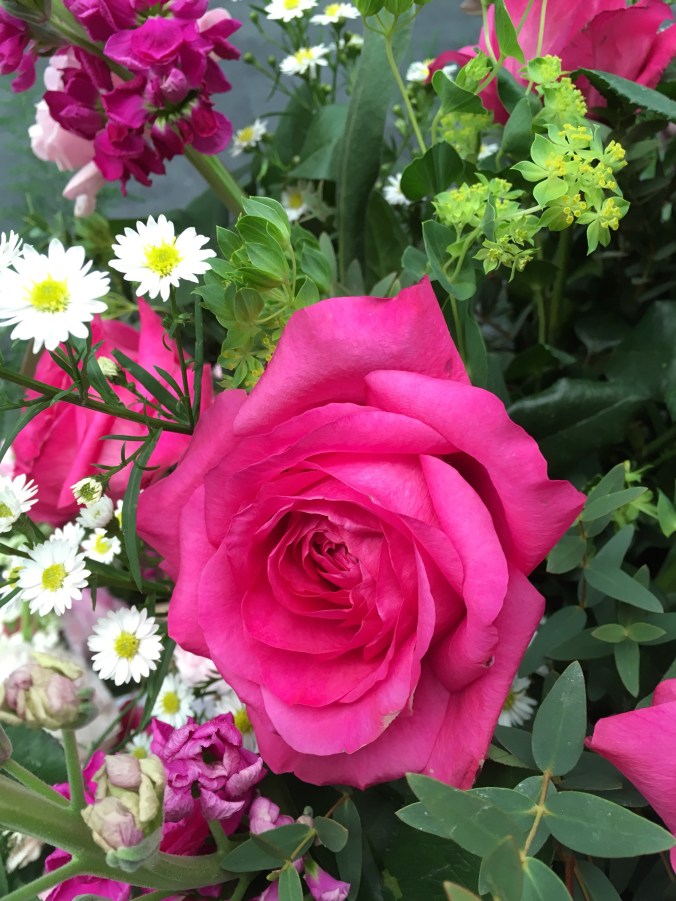
Sending you these photos today from the London Garden Press Event. I reckon we all need some colour and cheer right now . It’s -4 here in the city, and -6 at home. So here’s a gallery of David Austin Roses for you to enjoy.

These are from the cut flower range.

All the latest flowers, seeds, machinery, products- you name it – are showcased at the Garden Press Event . It’s a whirlwind of a day. I’m sitting here surrounded by a huge pile of brochures, catalogues, samples. It will take me a week to work though them, so this is just a little taster for now. Keep warm and safe all of you. Hope we get better weather soon.

Words and Pictures

SECRET GARDENS OF EAST ANGLIA


Barbara Segall. Photography by Marcus Harpur

Frances Lincoln £20. Hardback.  Published 7th September 2017.

It’s impossible to resist dipping into the pages of any book with the words “secret” and “garden” in the title.

We all love peering over the garden gate  to get a glimpse of other people’s property.

And in Secret Gardens of East Anglia, Barbara Segall is our excellent guide, taking us straight down the drive and through the front gates of 22 privately owned gardens.

It is quite a revelation. We see sumptuous planting, grand sculpture, rose parterres, moated gardens,  and wildflower meadows galore! A real  treat – in words and pictures.

Here is just a flavour of some of the glorious gardens featured.

Wyken Hall, Stanton, Suffolk

Wyken Hall - Suffolk 1.jpg

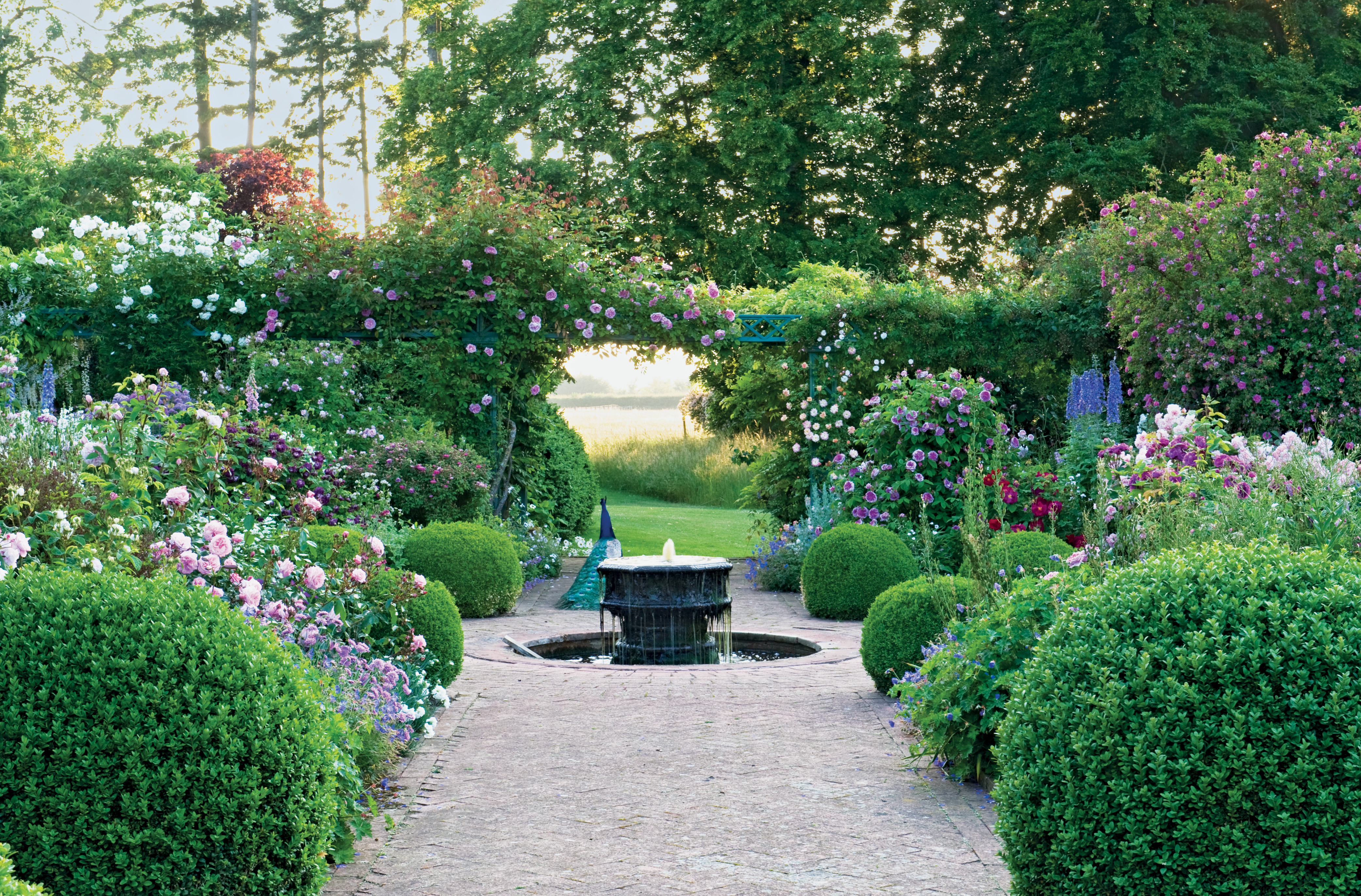
Photo credit Marcus Harpur. Perfectly co-ordinated, one of Wyken Hall’s peacocks is poised beneath a blue wooden pergola covered in climbing Rosa Blairii Number Two. The pergola is reminiscent of one at Bodnant in Wales. Owners Kenneth and Carla Carlisle have created a sumptuous rose garden, favouring highly-scented old rose varieties with soft coloured perennials such as delphiniums, astrantia and artemisia. The sound of water and the scent of roses always draws  me in. I could picture myself sitting in this beautiful garden on a hot, sunny summer’s day. Yes, I would be quite happy here!

Columbine Hall, Stowupland, Suffolk

Col Hall.jpg

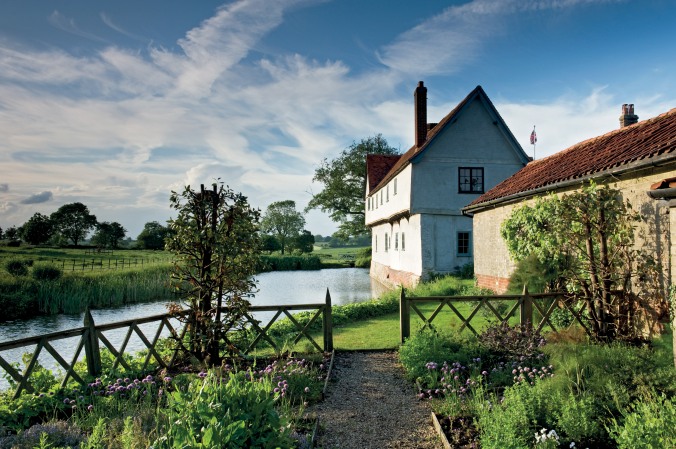
Photo credit Marcus Harpur. In my opinion, the most romantic of the gardens featured.  I’ve long been entranced by the walled kitchen garden which I first spotted on twitter. Head gardener and estate manager Kate Elliott ( @columbinehall) has worked here for 20 years and rightly describes the garden as her “pride and joy.”  Blue-grey paintwork used for gates, bridges and obelisks caught my eye, along with the planting scheme of silver and blue-mauve through to pink. Purple kales such as Cavolo Nero, Redbor and Rouge de Russie are set amongst  the silver leaves of globe artichokes.  I wasn’t surprised to read the owners’ comments :”We pick from the Kitchen Garden only with Kate’s permission, so as not to upset the colour co-ordinations or symmetry.”  A rare glimpse behind the scenes into the work and dedication that goes into creating a garden such as this.


Elton Hall, Elton, Cambridgeshire

Elton Hall - Cambridgeshire 1.jpg

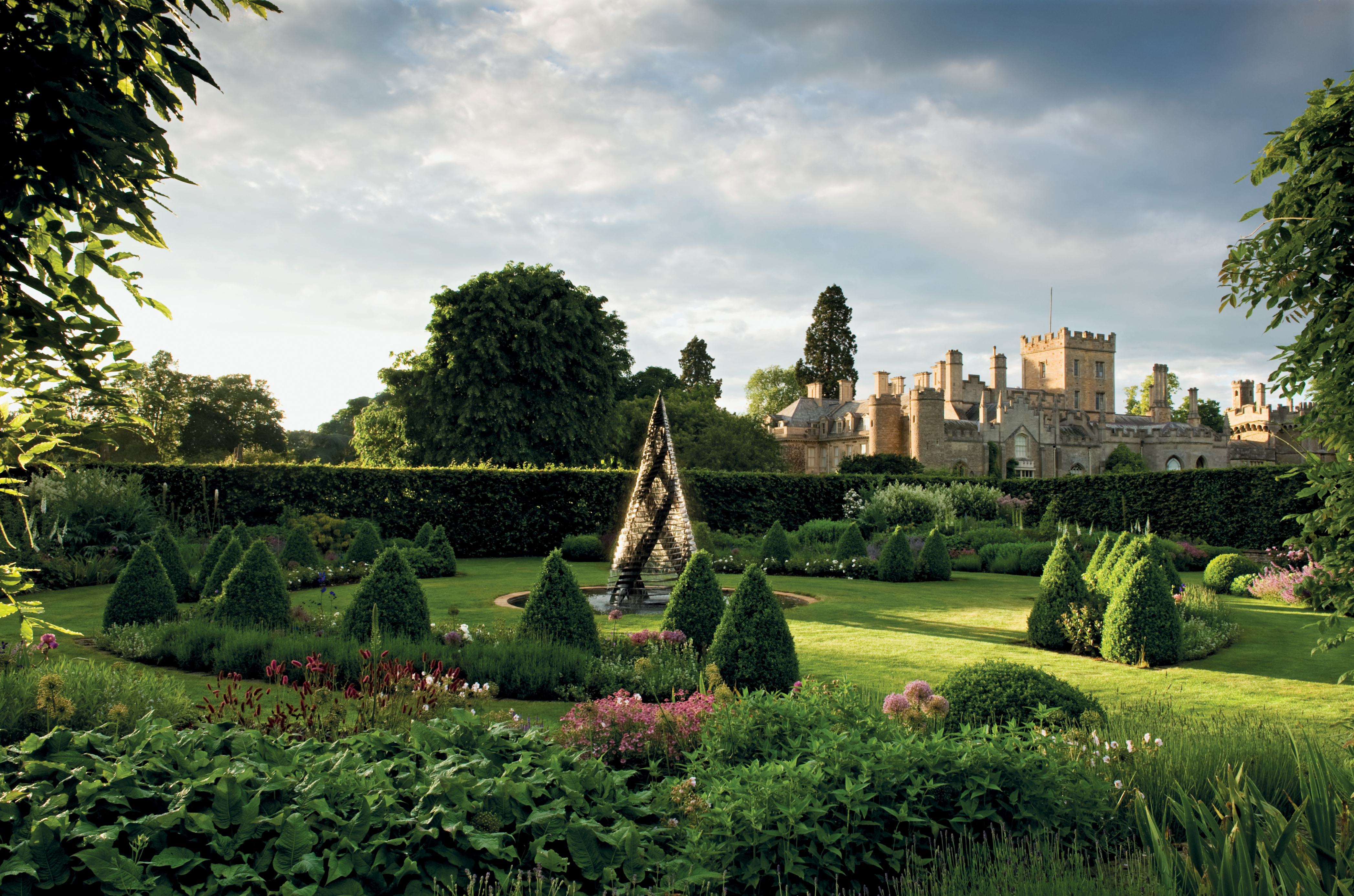
Photo credit Marcus Harpur. Home to Sir William and Lady Proby who chose to make a modern garden, rather than recreate the past.  The stately house has been in the Proby family for more than 300 years. It’s  fascinating to see how the contemporary design of the fountain and the pyramid topiary is set against a Gothic style house with turrets and castellations.  Proof that a modern style can work in a setting that’s steeped in history.

Wood Farm, Gipping, Suffolk

Wood Farm 2 b.jpg

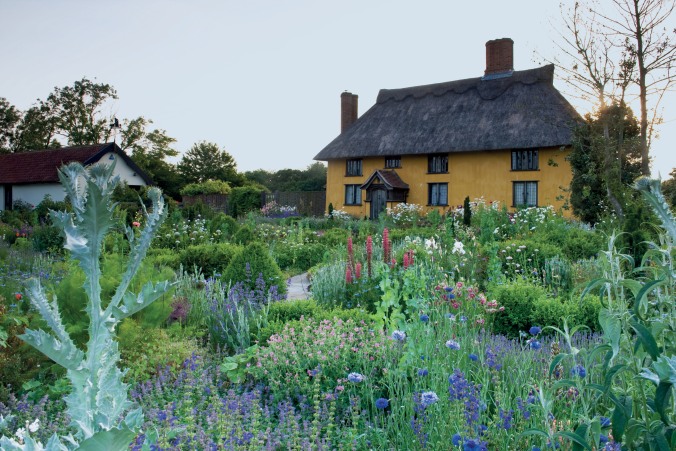
Photo credit Marcus Harpur.    The photograph shows irises, cornflowers, mounds of lavender and box. On the other side of the property, the house appears to drift on a sea of white ox-eye daisies. The golden centres of the daisies are an exact match with the colour of the 500 year old Suffolk farmhouse. A very pretty house and garden and I would love to have the chance to ramble along that  garden path.

I must mention Ulting Wick, Ulting, Essex. Long on my  special-places-to-visit list, the owners Bryan and Philippa Burrough  have planted 10,000 tulips in the Old Farmyard garden. A particular feature of the garden is the bold and jewel-like colours set against the black paintwork of three listed barns. In spring, the bulbs take centre stage, but in late summer, it is the dahlias and bronze-leaved Ensete that turn up the heat. The garden has opened to the public for the past 14 years in aid of the National Gardens Scheme. After reading Barbara’s book you will want to follow  Philippa’s garden tweets @UltingWick. The sheer amount of work that goes into creating a garden such as this is highlighted in the stunning photos in the book.

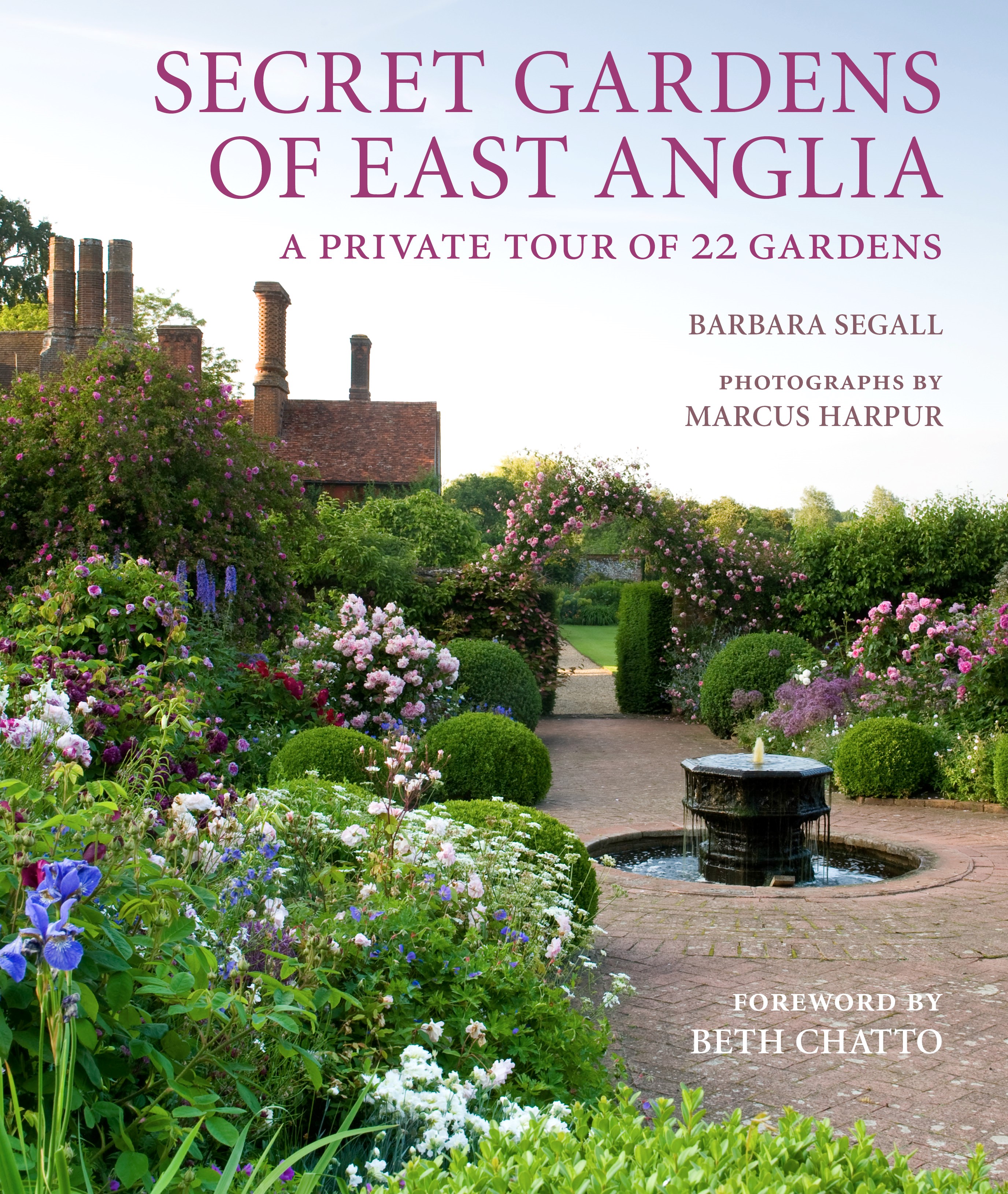
Secret Gardens of East Anglia cover.jpg

Barbara is a most entertaining “host” on what feels like the best holiday road trip /garden visit tour- ever.  Reading this beautiful book is like walking alongside Barbara. She expertly points out the secret areas and the special treasures in each garden.  The history and the background information is fascinating. And it feels such a treat to be “let in”  to these treasured, private spaces.

It’s a joy to read the stories behind the gardens and  to “meet” the people who own them.  And if the book has whetted your appetite- all but one of the 22 gardens are open to visit – on selected days of the year or by appointment only.

BARBARA SEGALL is a well-known horticulturist and garden writer. I’ve always looked out for her writing in the English Garden Magazine and also on the Richard Jackson’s Garden website. She is editor of The Horticulturist,  the journal of the Chartered Institute of Horticulture, also editor of Herbs magazine for the Herb Society. Barbara lives in Suffolk and her first book for Frances Lincoln was Gardens by the Sea with photos by Marcus Harpur’s father, Jerry.  Barbara’s blog is http://www.thegardenpost.com.

MARCUS HARPUR . I’ve know Marcus since about 1992 when he left book publishing to join his father to form the Harpur Garden Library.  Sadly , Marcus died on August 6th this year after 18 months of illness. He saw finished copies of the book, but poignantly didn’t live to see it go on sale. When I spoke to him last, he described working on the book as “A joyful and satisfying project.”  He was a much loved and well respected photographer whose  skill in capturing the light and beauty in a garden is plain for all to see in this his final book.

Pre-order on Amazon at  amzn.to/2oqHgM2

Thank you to Frances Lincoln/ Quarto Group Books for supplying this advance copy for review.


A peek at my week. What I’ve seen- where I’ve been

Took Mum to Norfolk to see East Ruston Old Vicarage. A feast for the eyes. Loved this sunny wild flower meadow.


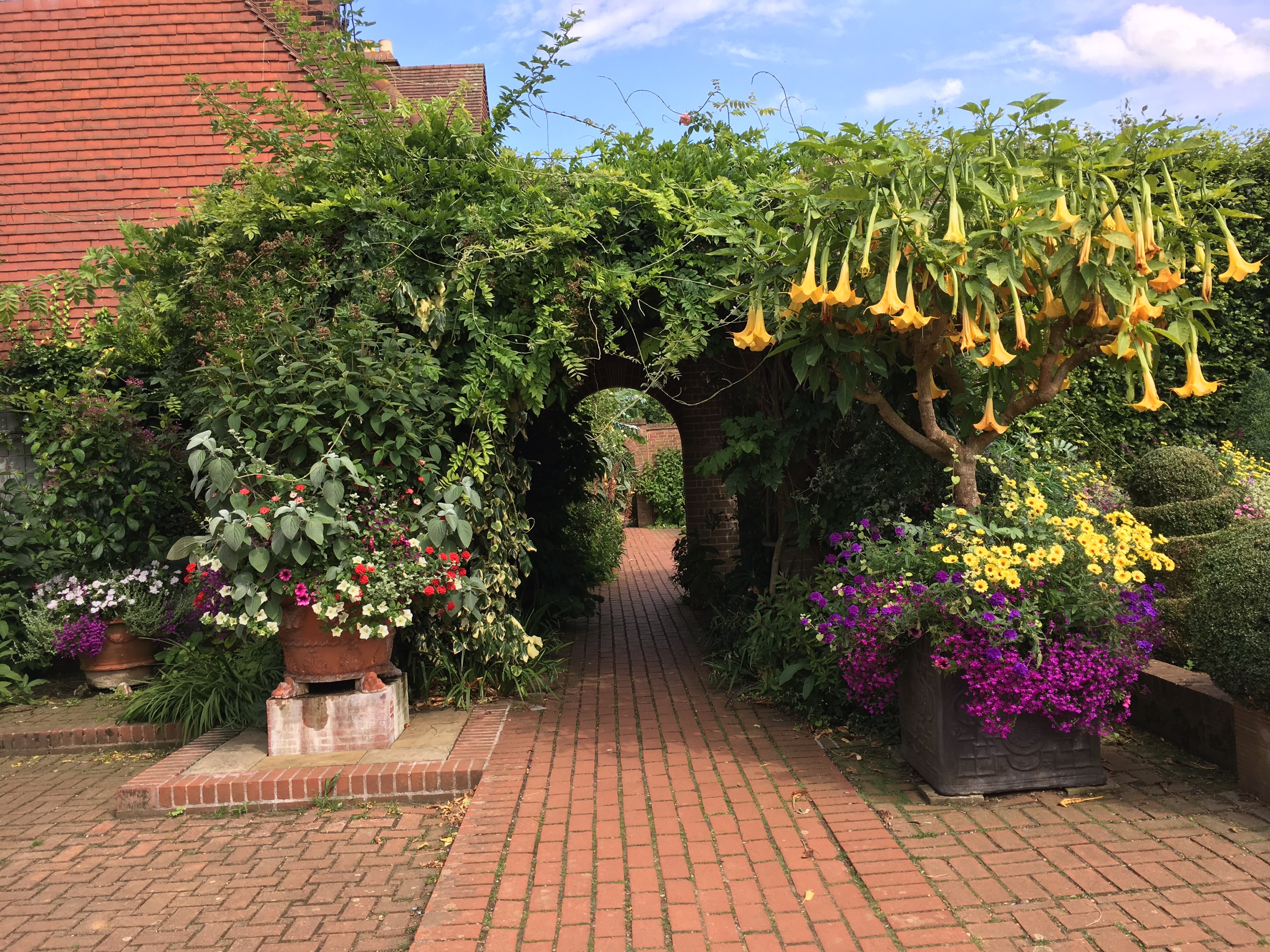
Got lots of container planting inspiration. Much scribbling down of names and taking of photos went on. Just look at the size of that brugmansia! You can see why it is called angel’s trumpets. The scent is out of this world. It’s underplanted with yellow argyranthemum, purple verbena, and lobelia. There’s even a grey-leaved melianthus squeezed in. Such an enticing entrance to an archway. 


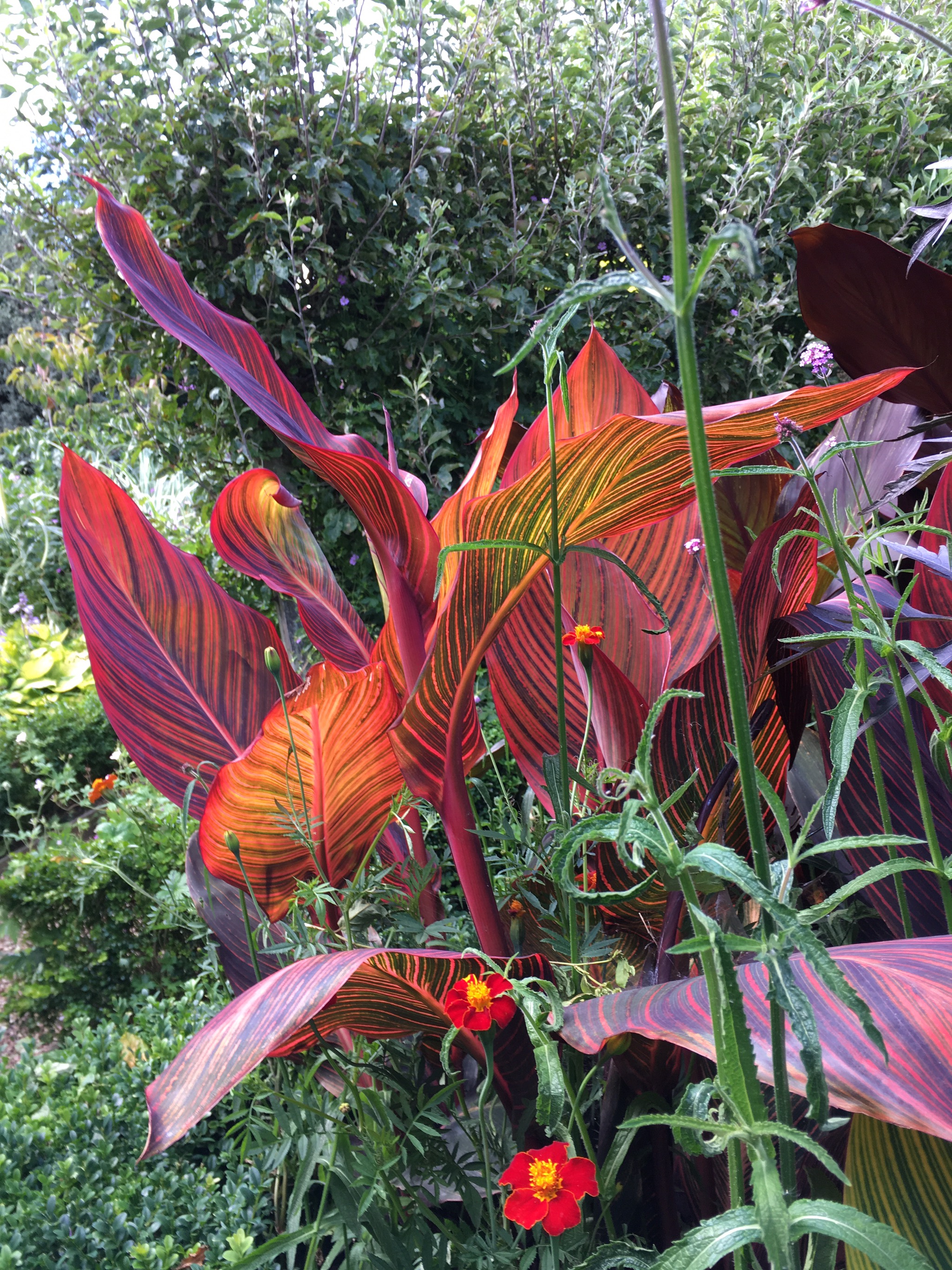
Every second word we used had “exotic” in front of it! Loved this avenue of cannas planted with blue verbena bonariensis and orange tagetes. 

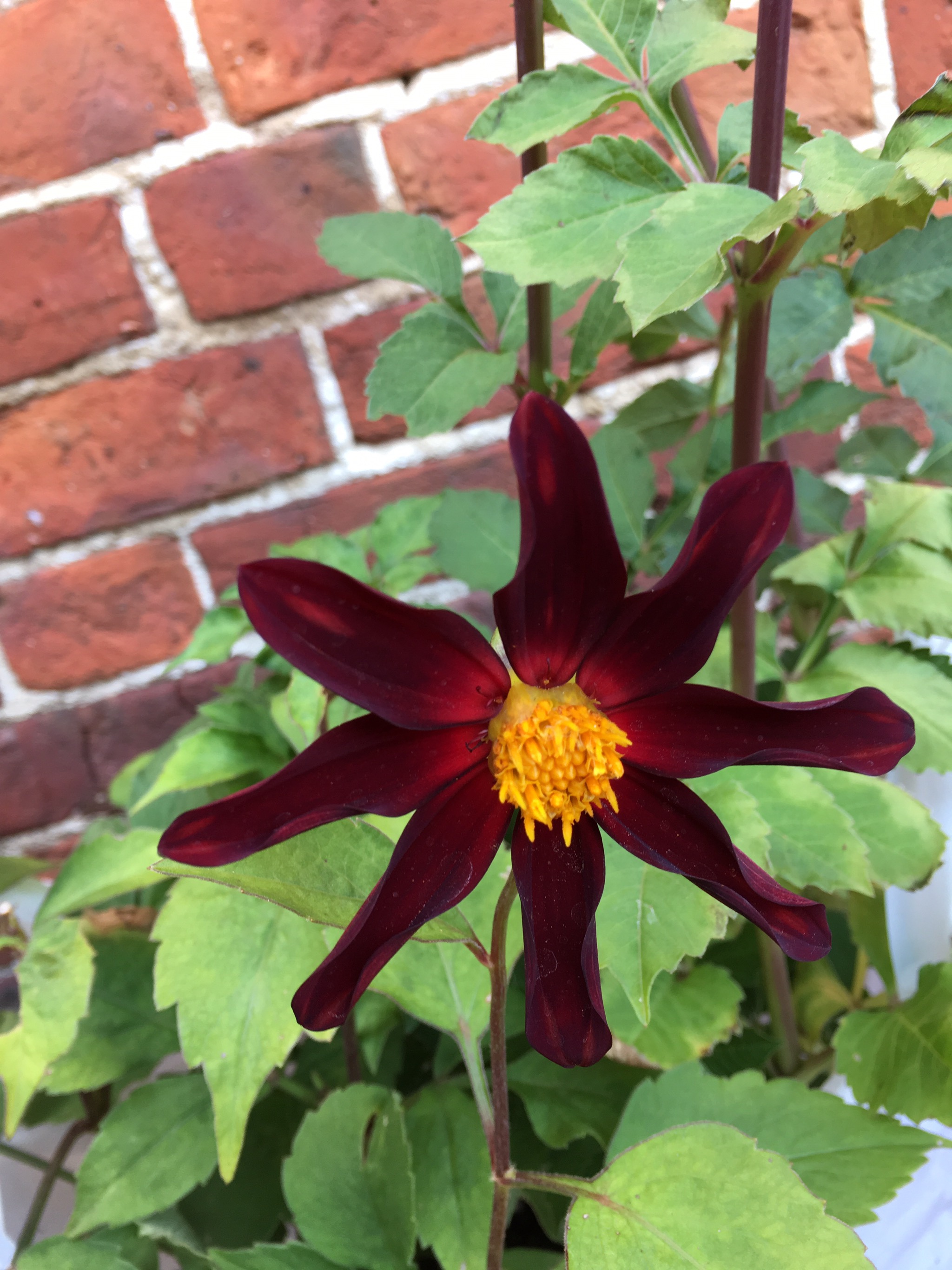
Saw two sumptuous deep red dahlias. Sadly no labels so we don’t know the names. I’m searching books though, so will post an update when I know for certain. 


I grow this tender purple-leaved Aeonium plant in the greenhouse at home. I might set it outdoors for the summer, now I’ve seen how lovely it looks. 

Also have this blue-tinged echeveria in a pot in my greenhouse. And I’ve got this Stewart Garden low planter which looks like stone, but is actually plastic. Much lighter to carry in and out of the greenhouse. 


Should NOT  have looked at the plant sales area. Fell in love with these two dahlias. Can’t wait to get home to plant them in my cut flower patch. 


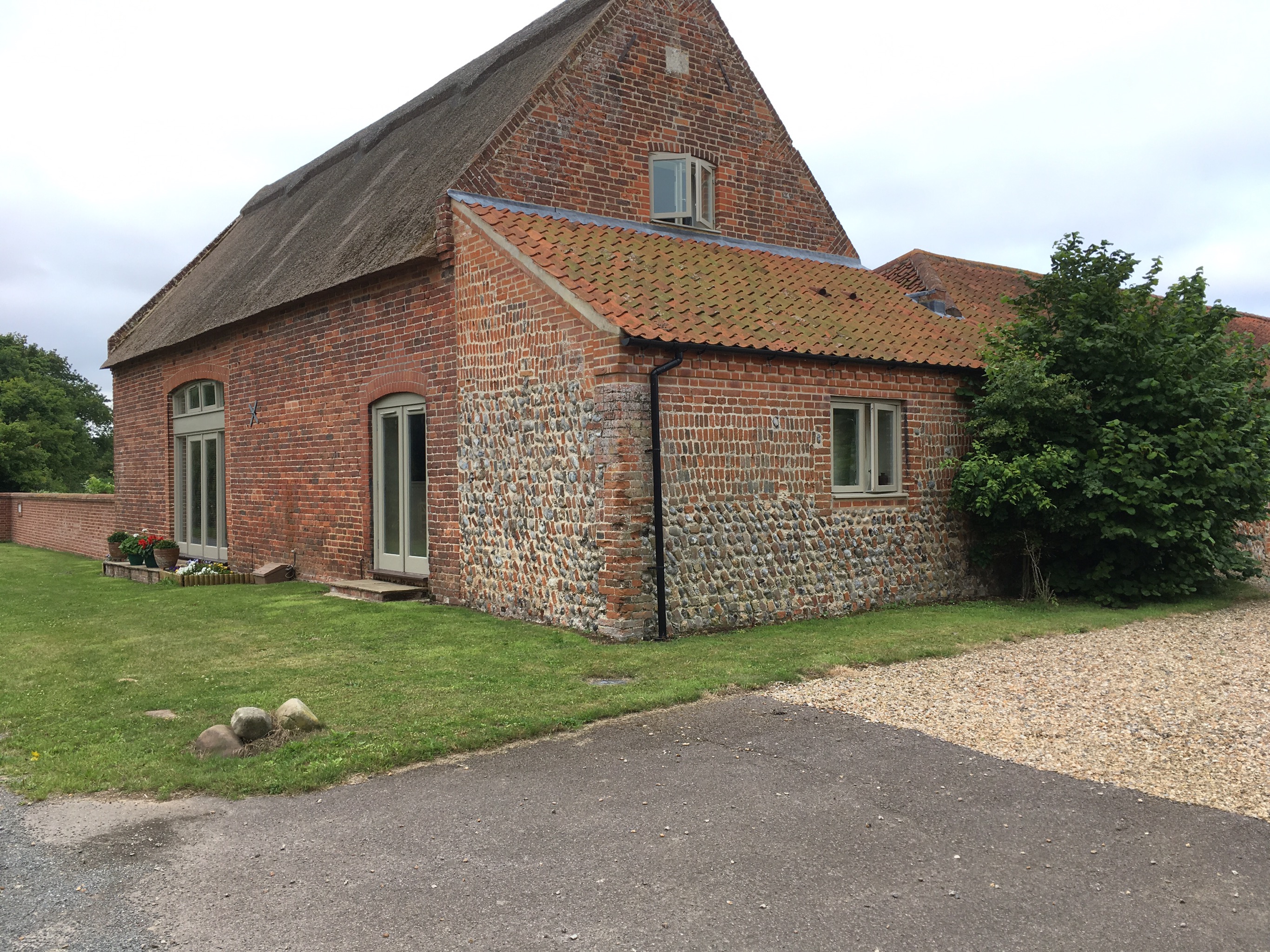
Here’s a quick look at the barn we stayed in. It gets a five star rating from us. More information to follow. 


Do get in touch and let me know what you have been up to this week. It’s been sunny and hot in Norfolk and I’m expecting to arrive home to a lot of weeding and dead heading on the plot! 

Last chance to visit bluebell woods…..

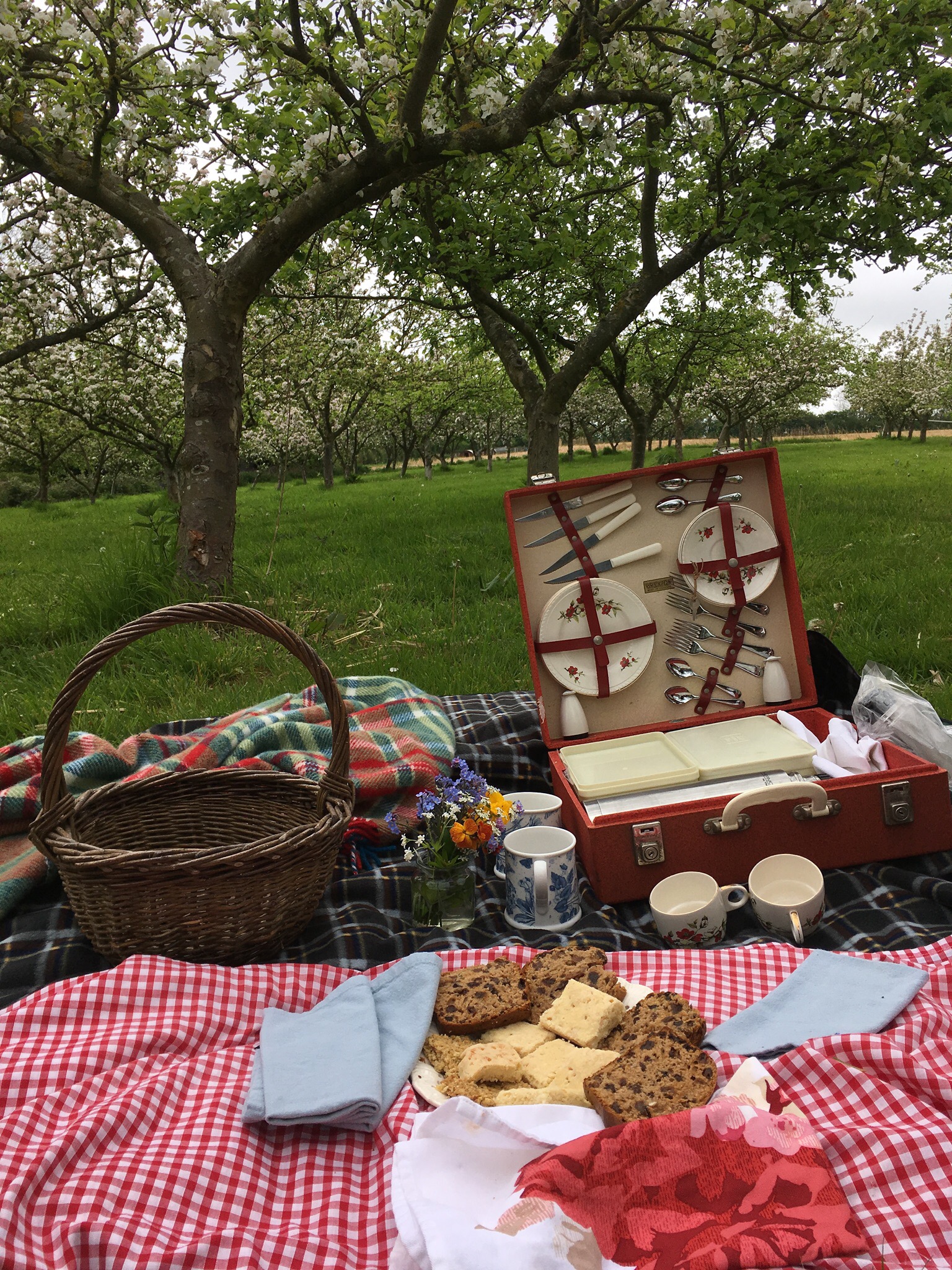
Cold weather has held back the bluebells this year. They are still looking glorious. Last chance to visit Coton Manor tomorrow.  Here’s some photos from our visit today. As usual, we started with a picnic. Spreading our rugs under the branches of some apple trees, we  tucked into home-made bread and warming soup, followed by an array of cakes and shortbread. A great start to our garden visit.


Our little haven can be found at the far end of the car park. Funnily enough, we’d never noticed the orchard before. But full of blossom today, we could hardly miss it. Next we set out to visit the bluebells.

img_3383-1
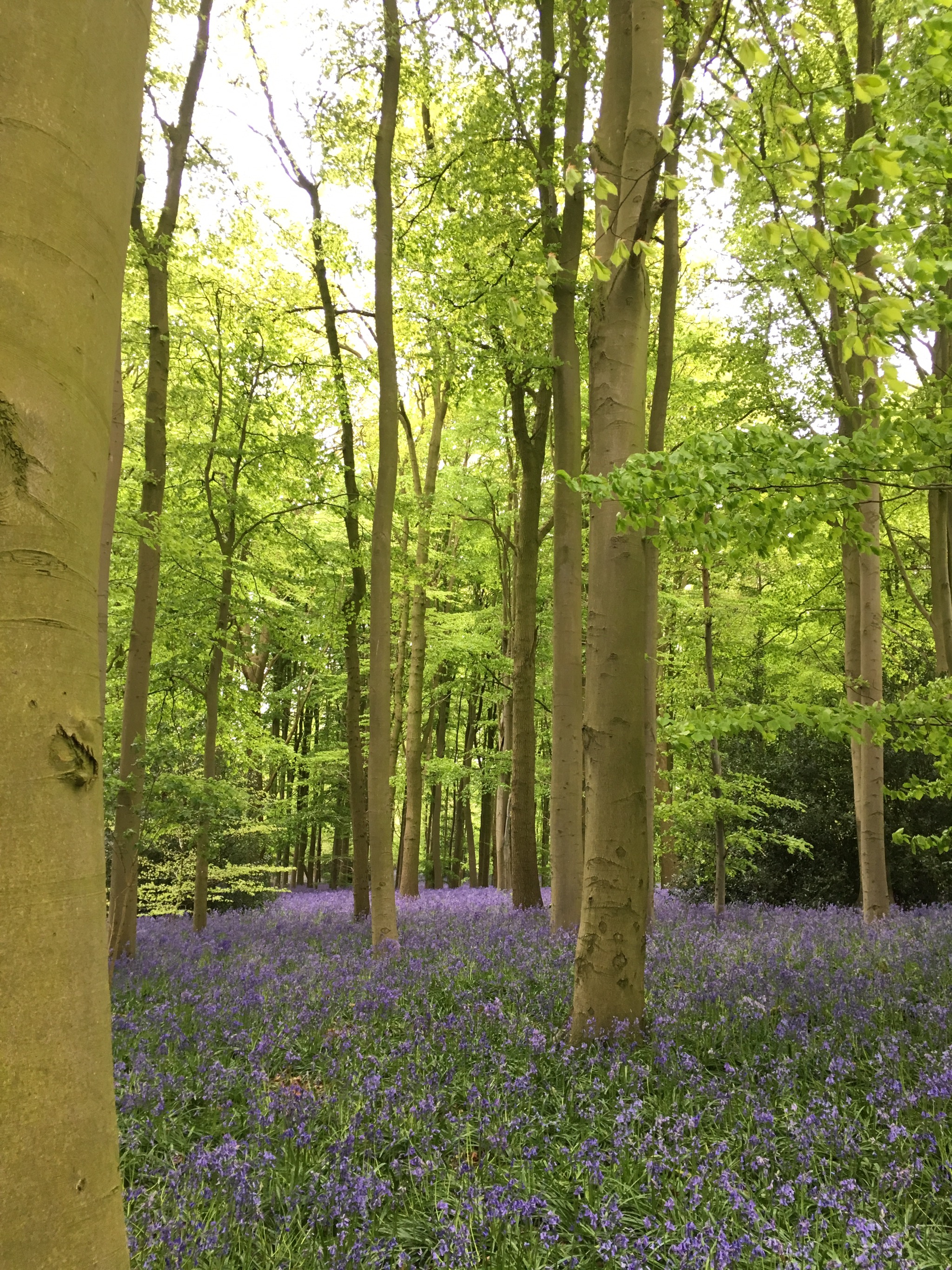
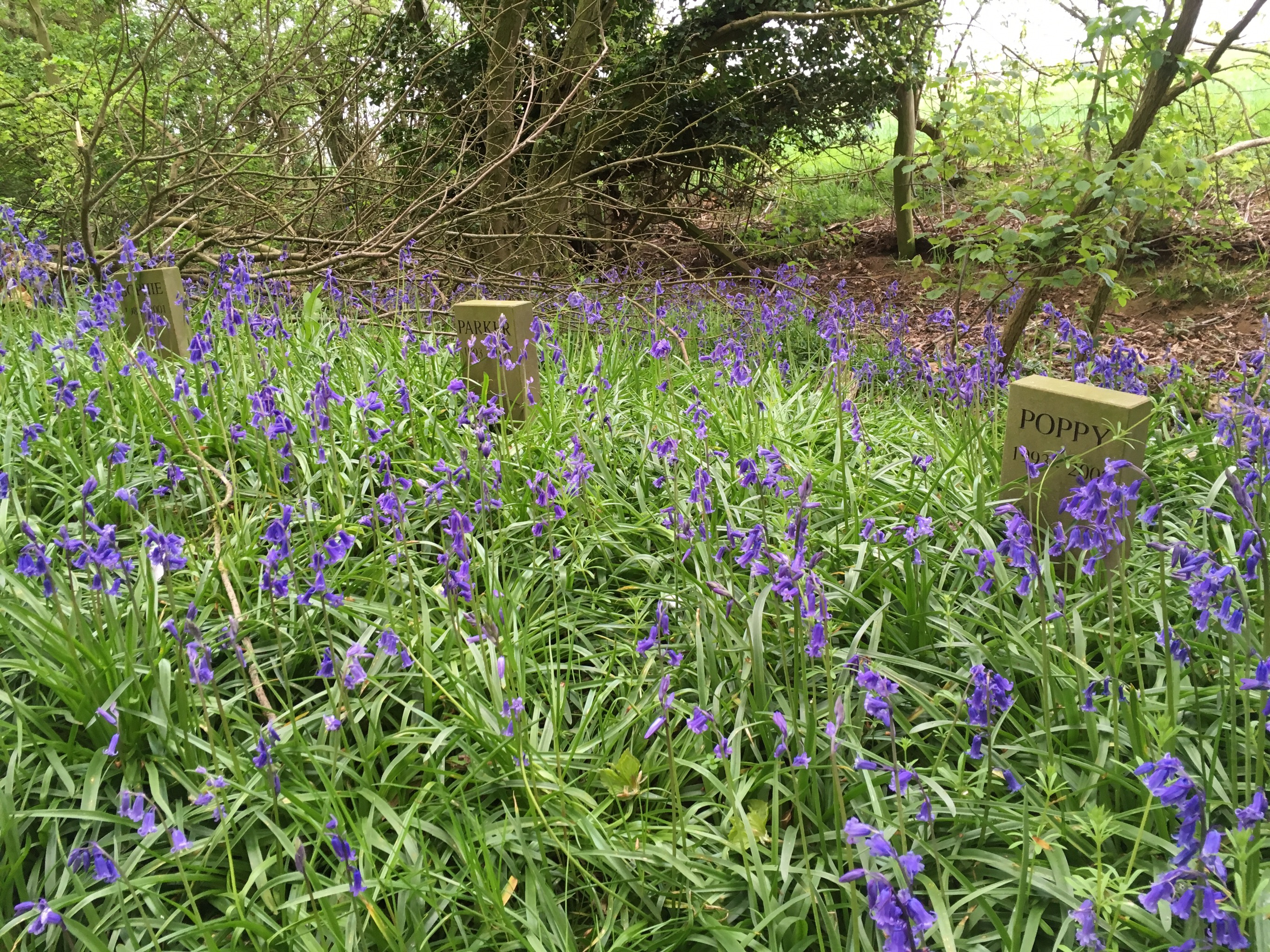
As you can see, the bluebells are at their peak of perfection. It’s a sight I’ll hold in my memory until next spring. That blue, with the unfurling lime green leaves, and the honey scent. Just glorious!

We found the dogs’ graves. What a peaceful resting place.


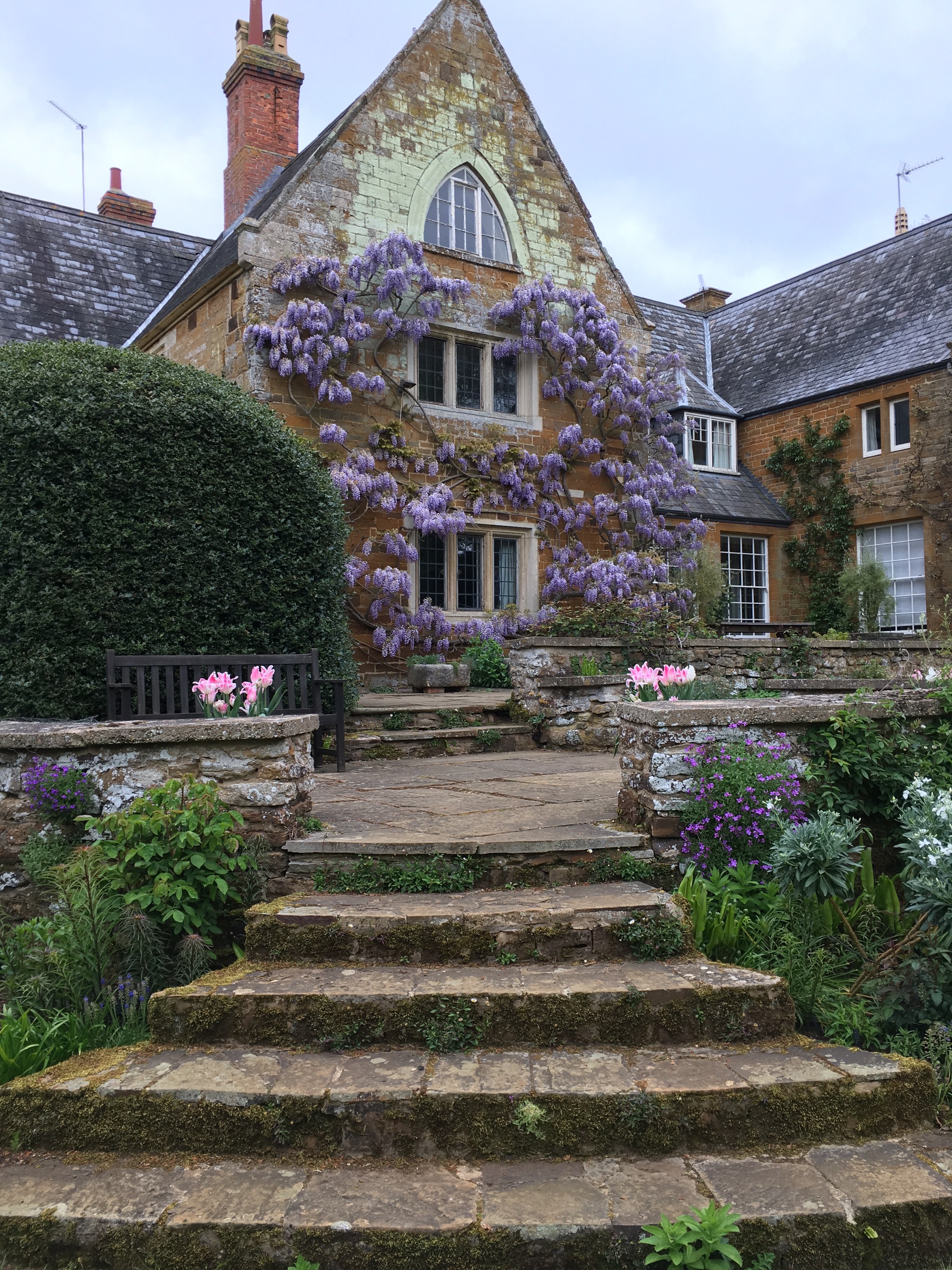
The gardens always provide breathtaking planting, deserving of a separate post. But for now, here’s a taster of what we found.  Luckily the wisteria escaped any damage from the recent hard frosts.


I love this view from the terrace steps.

img_3436
I wrote about visits to bluebell woods here mentioning Coton Manor  and Hodsock Priory .  For more information click on the highlighted words. Also look at the Woodland Trust website for bluebell woods all over the country.  Be quick to visit. They are at their best right now.

#wordlesswednesday 

First picnic of the season. We visited Hodsock Priory for the bluebells.


No picnic is complete without jam jar flowers- and chocolate cake.


And this is the glorious view. 


I wrote about Hodsock snowdrops here. Also a must-visit for bluebells. Last chance to see them this coming weekend 6th and 7th May, 10-3pm. I’ve shared more photos over on twitter @kgimson. 

Do you have any favourite bluebell woods you like to visit? Are you a fan of picnics? 

A Visit to the Garden of Ninfa

These photos are for anyone who, like me, can’t visit the RHS London Rose Show this weekend. 

Curated by Rachel de Thame, the second annual show at the RHS Lawrence Hall, promises to be a “celebration of England’s favourite flower.” I’m really sorry to miss out, as Rachel tends to have an eye for all things elegant, and is well known for her knowledge and passion for roses.

Instead, I’m beavering away at work – but in my tea break, I thought I’d share my photo album of Ninfa. 


I was lucky enough to be invited on an Italian gardens tour at the beginning of May. Family commitments and work means I’ve not ventured abroad for around 10 years. I’m not complaining, I love British countryside and gardens.

But when a friend decided to celebrate her birthday with a tour of gardens, and invited 12 pals along, I couldn’t turn down the chance to go along.

We spent a week touring the gardens of Lazio near Rome. On our last day, we visited Ninfa. 

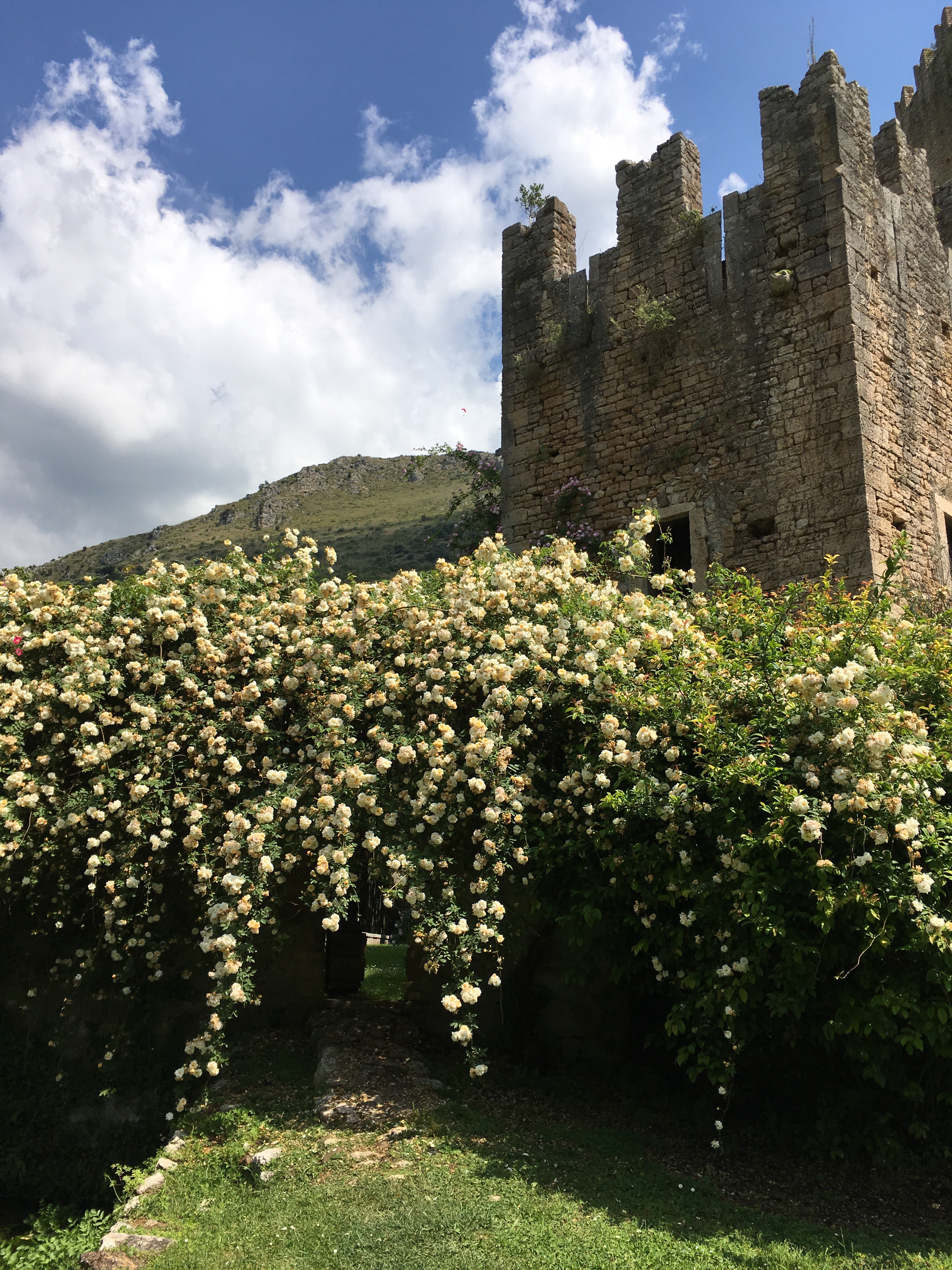
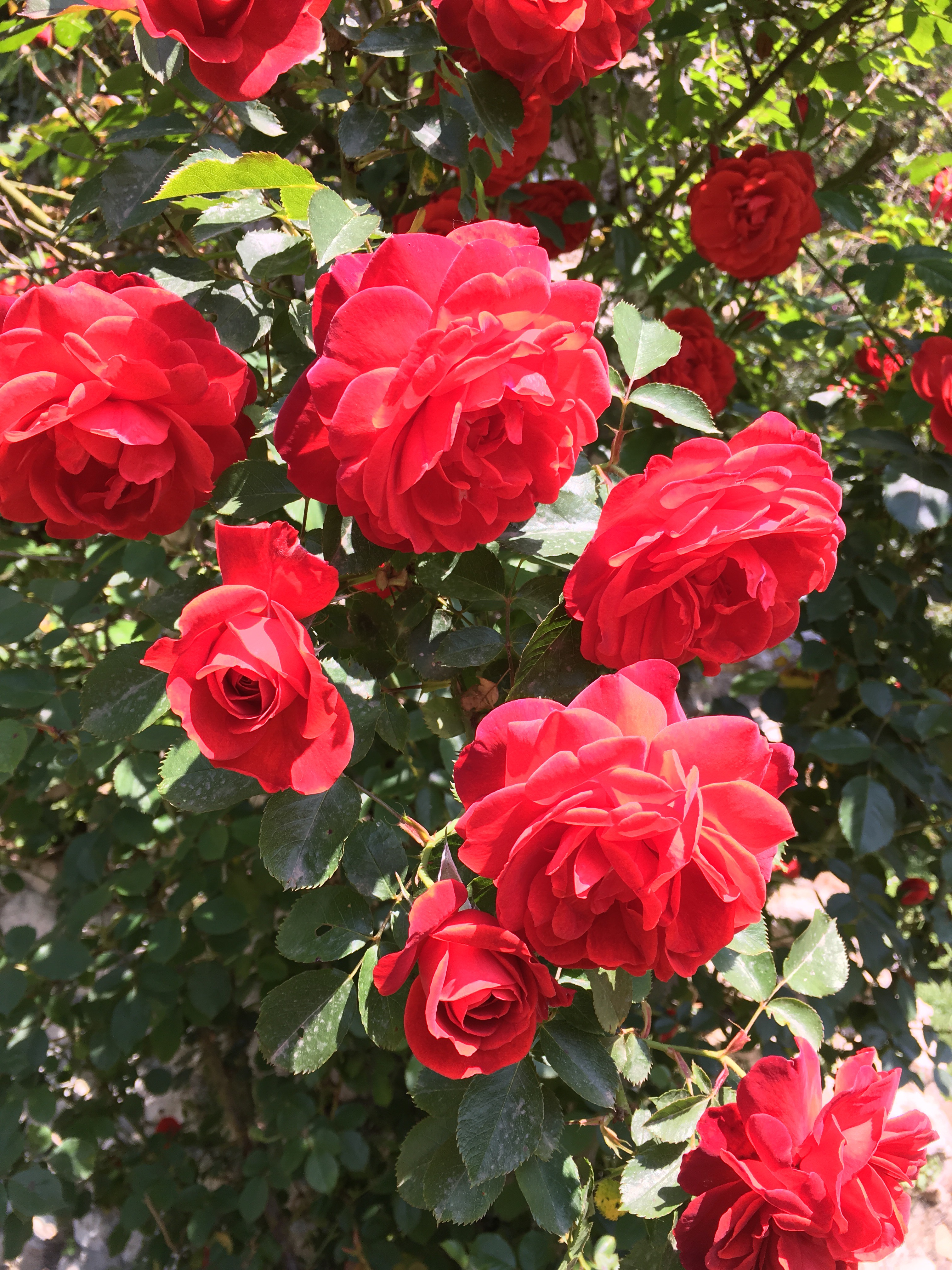
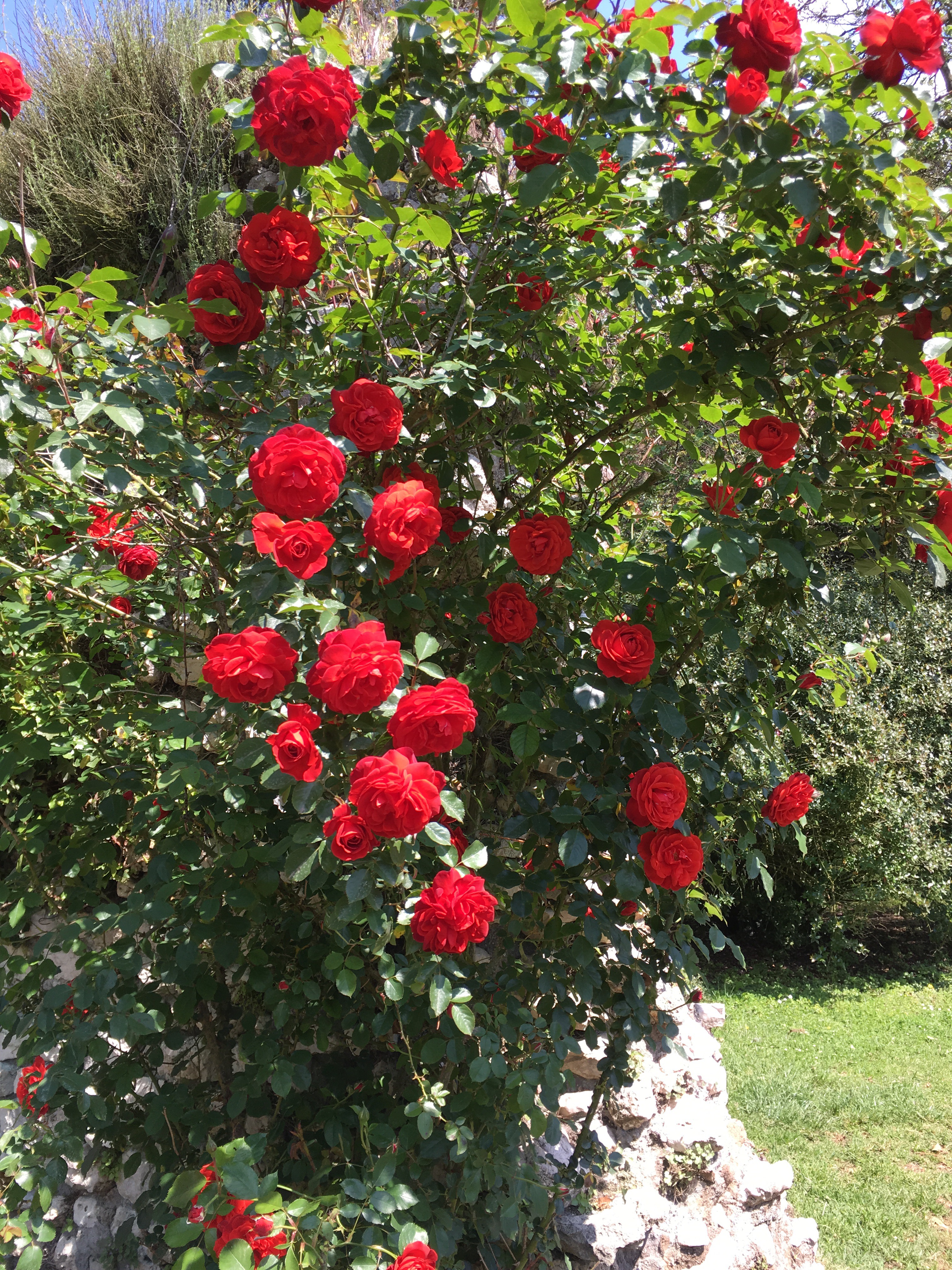
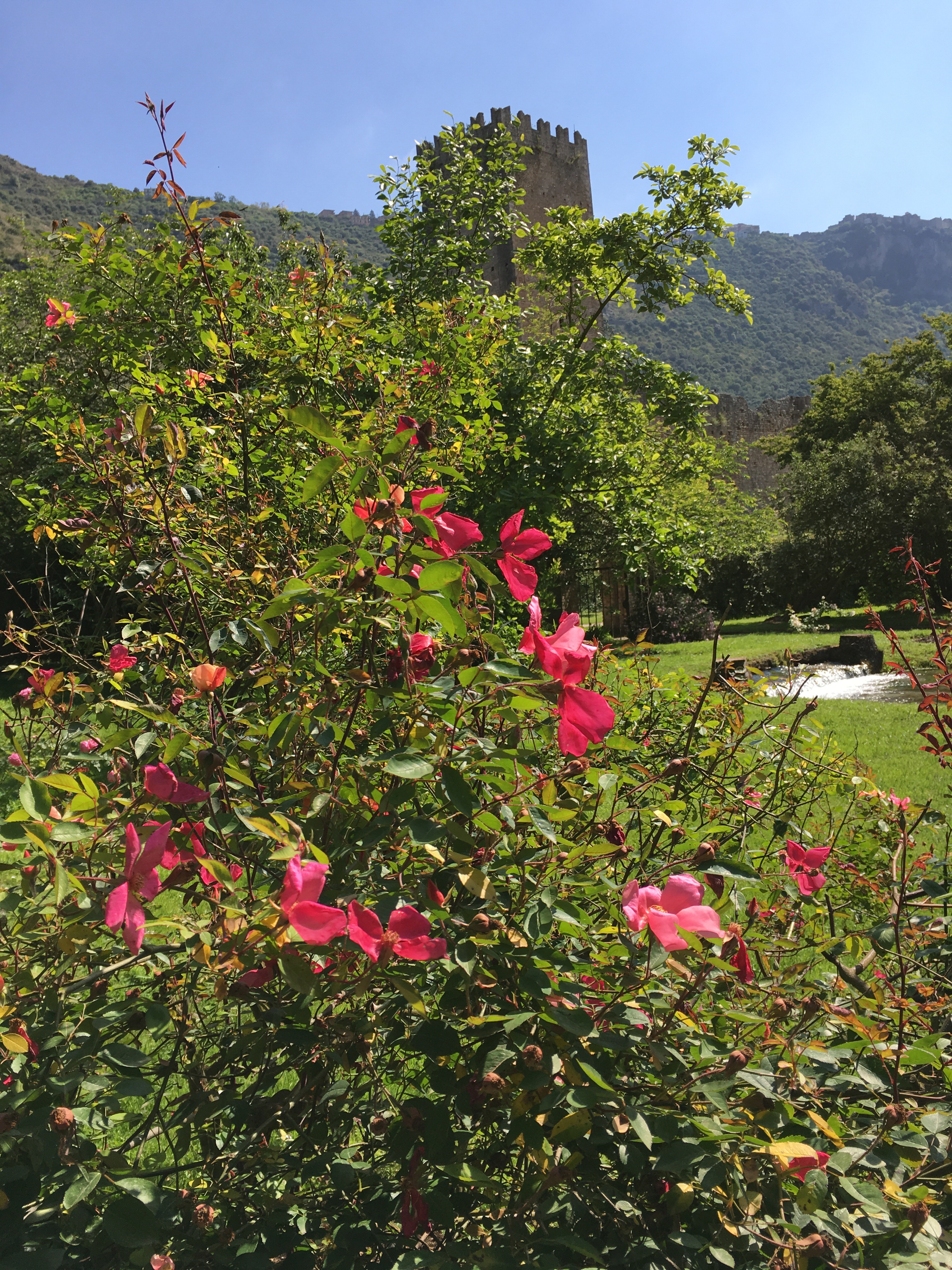
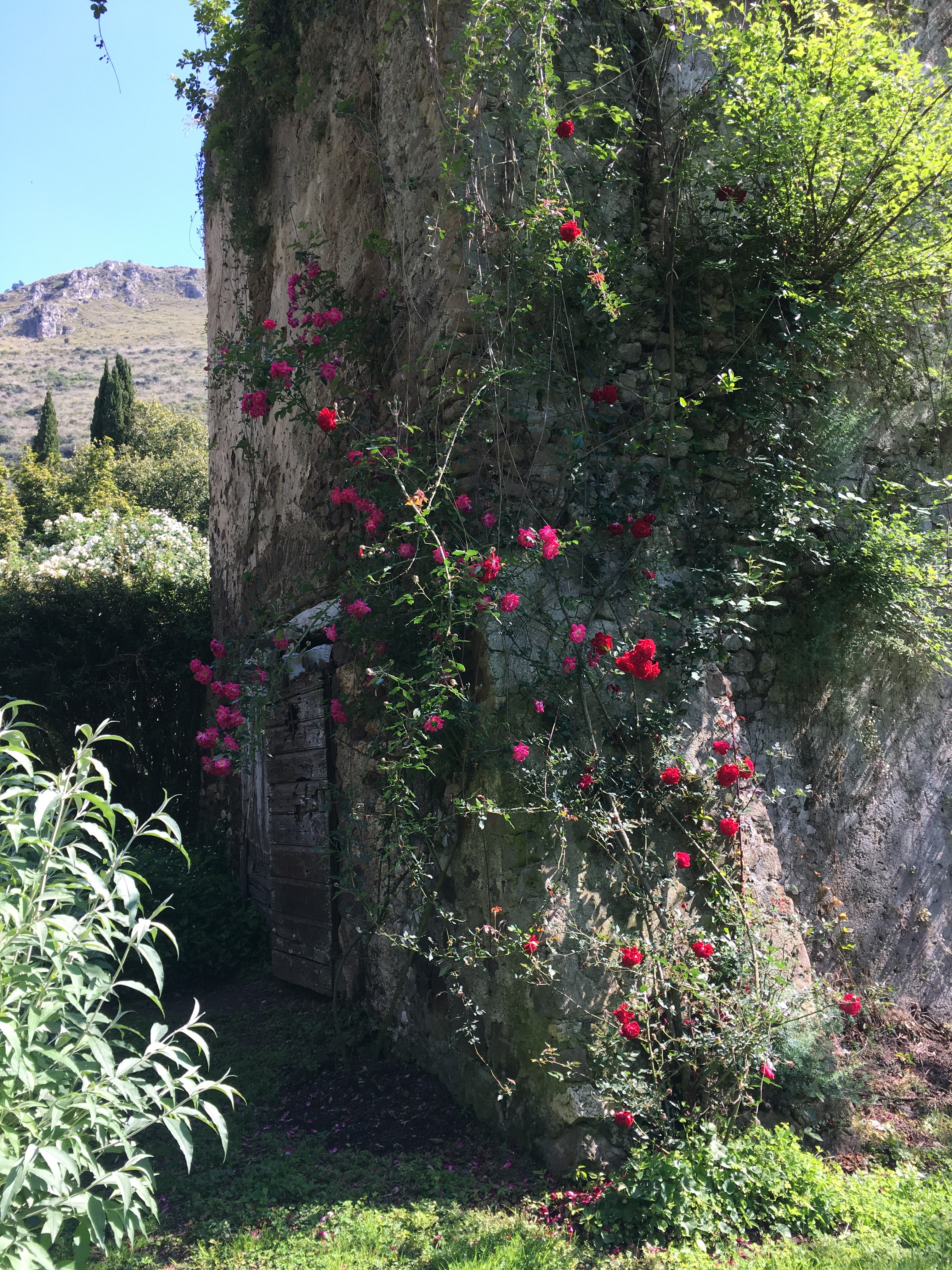
The garden planted among the ruins of the ancient town of Ninfa, is the work of generations of the Caetani family, most notably, Princess Lelia. Virtually every wall, tower and tree is draped in roses. They look as if they have grown naturally-all on their own- with no help from anyone. 

The approach to the garden is down a path with white rambling roses engulfing the boundary wall.

It was our lucky day. Our guide was the Director’s wife, Stella. Wherever there was a Sign saying no entrance, Stella lifted the rope barring our way and ushered us through. What a treat to see the secret areas of the garden, not open to the public. Such kindness is always appreciated, and never forgotten. 

The whole garden is filled with such fragrance. 
American Pillar, possibly. So beautiful against the blue/green walls. All the roses look so healthy.


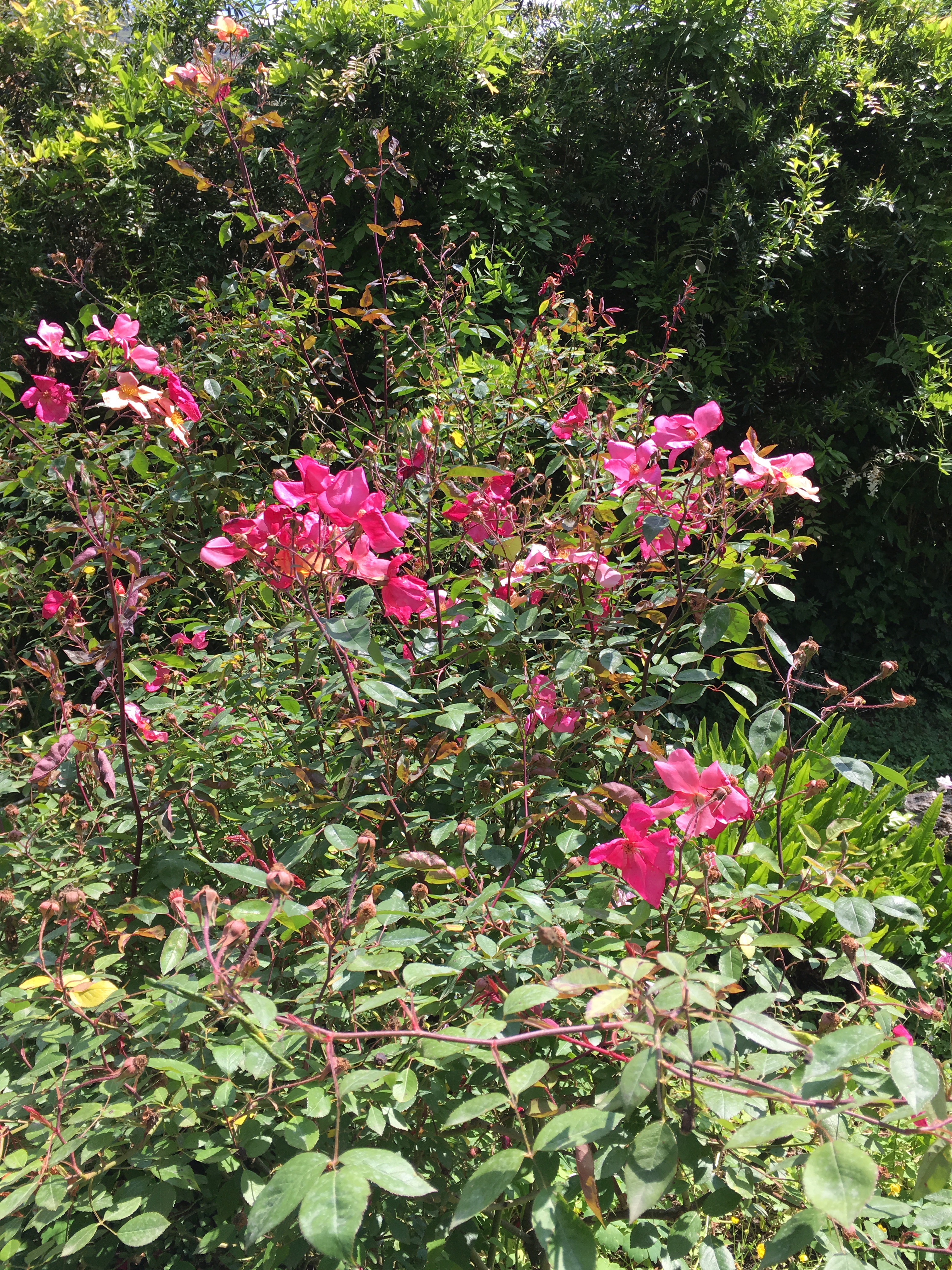
Rosa Mutabilis- an old fashioned China  variety-quite often called the butterfly rose. 


We ducked down under this cloud of tiny red roses to cross the bridge.

The garden of Ninfa is open infrequently to protect its delicate environmental balance. More information from http://www.fondazionecaetani.org. We travelled on a bespoke gardens trip organised by  Success Tours  www.successtours.com accompanied by tour manager  Wendy Viney. We had the most luxurious coaches ever  and the best driver, Enrico (who saved our lives at least five times a day).Coaches by http://www.corsiepampanelli.it . We stayed at Villa Vecchia Hotel http://www.villavecchia.it   

Read more about Ninfa in RHS Lessons from Great Gardeners by Matthew Biggs, published by Mitchell Beazley.  www.rhsshop.co.uk 

Look out for next year’s RHS London Rose Show. http://www.rhs.org/shows-events/rhs-london-shows/rhs-london-rose-show. I’m determined not to miss it next time.

Have you been to any gardens that have had a big impact on you?